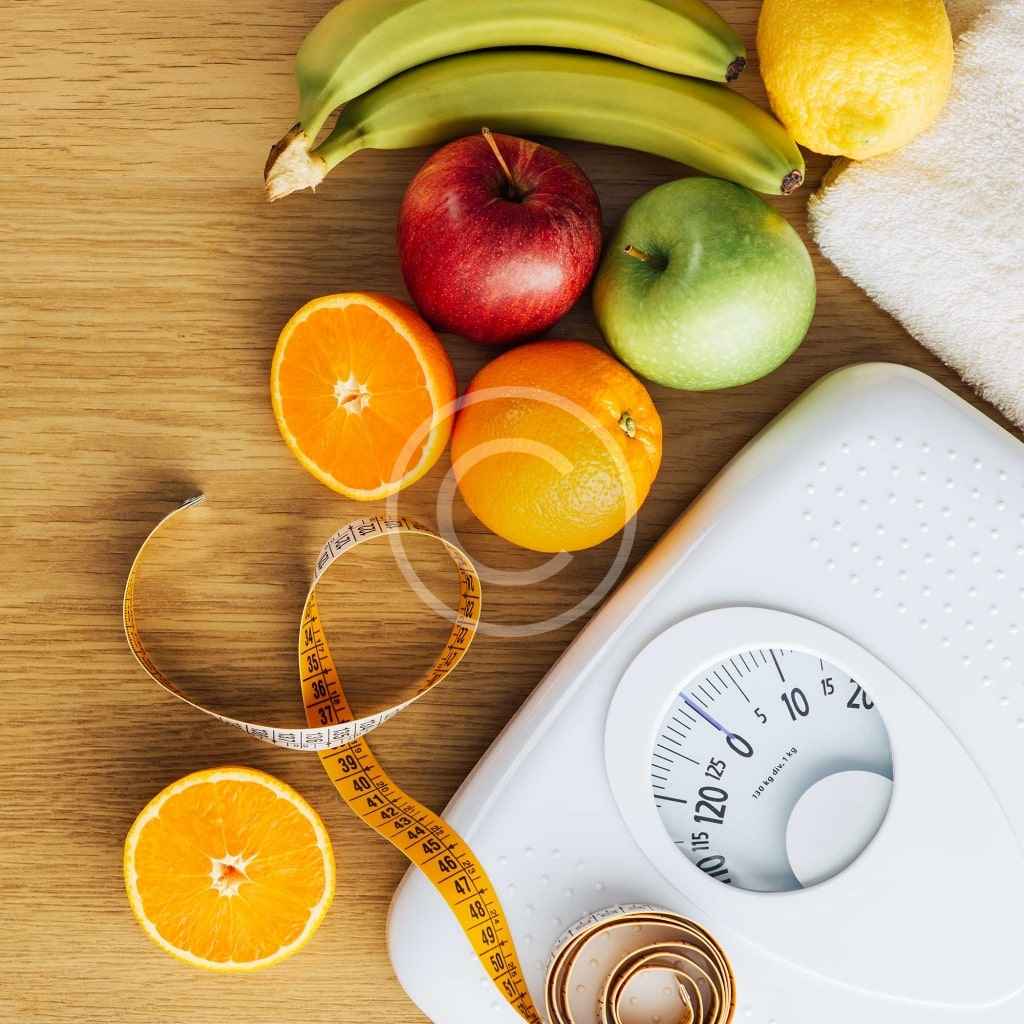
Tracking your calories can be a game changer for smarter weight loss. It helps you understand what you're consuming and how it affects your goals. By using tools like mobile apps or a simple food diary, you can gain insight into your eating habits. But it's not just about counting numbers; it's about making informed choices. Curious about how to get started and what methods might work best for you?
Key Takeaways
- Utilize mobile apps like MyFitnessPal or Cronometer for convenient calorie tracking and personalized meal suggestions.
- Maintain a food diary to increase awareness and accountability regarding daily caloric intake.
- Learn to read nutrition labels and understand serving sizes for accurate calorie tracking.
- Adopt portion control techniques, such as measuring cups and food scales, to ensure precise servings.
- Set realistic goals and track progress regularly to stay motivated and adjust strategies as needed.
Understanding Calories and Their Role in Weight Loss
When it comes to weight loss, understanding calories is essential, as they're the energy units your body uses to function.
Keeping track of your caloric balance—how many calories you consume versus how many you burn—is key. You need to create a deficit to lose weight, meaning you should consume fewer calories than your body needs to maintain its current weight.
Your metabolic rate plays a significant role in this process. It's the rate at which your body uses energy, which varies from person to person.
Factors like age, gender, and muscle mass can influence your metabolic rate.
Choosing the Right Calorie Tracking Method
As you commence on your weight loss journey, choosing the right calorie tracking method can greatly influence your success.
With so many options available, it's crucial to find a technique that resonates with you. Here are a few effective calorie counting methods to reflect on:
- Food Diary: Write down everything you eat. This can increase awareness and help you stay accountable.
- Online Tools: Websites can assist in calculating your daily intake and provide nutritional information at your fingertips.
- Visual Portion Control: Use measuring cups or your hands to gauge portion sizes, making it easier to estimate calories without overthinking.
Utilizing Mobile Apps for Easy Tracking
Tracking your calories doesn't have to be complicated, especially with the right mobile apps at your fingertips.
These tools can help you monitor your intake, sync with other devices, and offer features that make staying on track easier than ever.
Let's explore some popular options and what to look for when choosing the best app for your journey!
Popular Tracking Apps
If you're looking for a convenient way to keep an eye on your calories, popular tracking apps can be a game changer. These apps simplify your weight loss journey and help you stay accountable.
With countless options available, you can easily find one that suits your needs. Consider checking out app comparisons and user reviews to guide your choice.
Here are a few top choices:
- MyFitnessPal: Known for its extensive food database and user-friendly interface.
- Lose It!: Offers a fun approach to tracking while focusing on your goals.
- Cronometer: Great for those who want detailed nutritional information beyond just calories.
Features to Consider
When you're choosing a calorie tracking app, it's important to assess features that will make your journey easier and more effective.
Look for user-friendly interfaces that simplify calorie tracking, allowing you to log meals quickly. Smart technology can enhance your experience, offering barcode scanning for packaged foods and personalized meal suggestions based on your preferences.
Additionally, consider apps that provide nutritional insights, helping you make informed choices. A robust database of foods guarantees you can find what you need without hassle.
Features like goal setting and reminders can keep you motivated and accountable. Ultimately, the right app should feel like a supportive companion on your weight loss journey, making calorie tracking seamless and enjoyable.
Syncing With Devices
Syncing your calorie tracking app with other devices can greatly streamline your weight loss journey. By ensuring device compatibility with your fitness wearables and health apps, you can enjoy seamless real-time tracking.
While syncing issues might arise, utilizing reliable apps helps maintain data accuracy, making your weight loss efforts more effective.
Consider these integration benefits:
- Holistic view: Track calories alongside activity levels and sleep patterns.
- Automated updates: Your progress reflects instantly, keeping you motivated.
- Personalized insights: Receive tailored advice based on thorough data.
Embrace wearable technology to enhance your tracking experience, and stay committed—you're on the right path toward your goals!
Learning to Read Nutrition Labels
Understanding nutrition labels can feel overwhelming at first, but it's easier than you think!
By focusing on serving sizes, key nutrients, and how they fit into your daily intake, you'll gain confidence in making healthier choices.
Let's break it down together so you can track your calories with ease!
Understanding Serving Sizes
Getting a handle on serving sizes is essential for effective calorie tracking. Understanding how much you're actually eating helps you stay on track with your goals.
Nutrition labels can be tricky, but with a little practice, you'll become a pro at reading them. Here are some tips to help you:
- Use visual aids like measuring cups or a food scale to get accurate portions.
- Familiarize yourself with common serving sizes—what does a cup of rice really look like?
- Keep a food diary to track your servings and identify patterns.
Identifying Key Nutrients
As you immerse yourself in calorie tracking, learning to read nutrition labels becomes an essential skill that can greatly affect your weight loss journey.
Start by focusing on the macronutrient balance; check for the right amounts of proteins, fats, and carbohydrates. This helps you make informed choices tailored to your goals.
Don't forget to pay attention to serving sizes, as they can be misleading!
Also, consider nutrient timing—eating the right nutrients at the right times can enhance your energy and recovery. For instance, consuming protein after workouts supports muscle repair.
By understanding nutrition labels, you'll feel empowered to make smarter choices that align with your weight loss plan.
Calculating Daily Intake
Tracking your daily calorie intake can feel overwhelming, but breaking it down into manageable steps makes it easier.
Start by learning to read nutrition labels, which provide essential information about caloric needs. Use these tracking techniques to simplify the process:
- Check serving sizes: Make sure you're aware of how much you're consuming.
- Calculate total calories: Add up calories from meals and snacks to stay on target.
- Focus on quality: Choose nutrient-dense foods that satisfy hunger without excessive calories.
Portion Control: Measuring Your Servings
Measuring your servings is a crucial step in mastering portion control and achieving your weight loss goals. By focusing on portion sizes, you can better understand how much you're eating.
Start using measuring cups and food scales to guarantee accuracy, especially during meal prep. This way, you'll know exactly how much food you're putting on your plate.
Consider incorporating portion plates to visually guide your servings. They can help you balance your meals without the guesswork. Serving spoons can also assist in maintaining portion control when serving food.
Additionally, practice mindful eating by paying attention to your hunger cues and stopping when you're satisfied, not stuffed. Visual cues, like filling half your plate with vegetables, can make a big difference.
Keeping a Food Diary for Accountability
Keeping a food diary can be a game changer in your journey toward weight loss. By jotting down what you eat, you gain valuable insights into your habits and choices. Plus, it fosters accountability, especially if you share it with accountability partners.
Here are some food journaling benefits you might enjoy:
- Increased Awareness: You'll notice patterns and triggers in your eating habits.
- Better Choices: It makes you think twice before indulging in unhealthy snacks.
- Progress Tracking: You can celebrate your achievements and learn from setbacks.
Don't worry if you miss a day; just pick it back up! The key is consistency.
Whether you prefer a physical notebook or a mobile app, find a method that works for you. Remember, you're not just tracking calories; you're building a healthier relationship with food.
You've got this!
Adjusting Your Caloric Intake for Optimal Results
When you start adjusting your caloric intake, it's essential to take into account your individual needs and goals.
Everyone's metabolic rates differ, so what works for one person mightn't work for you. Begin by determining your daily caloric needs based on your activity level, age, and weight loss targets.
Once you have a baseline, consider making small caloric adjustments—either increasing or decreasing your intake gradually.
This approach helps your body adapt without shocking your system. Pay attention to how your body responds; if you're feeling fatigued or not seeing results, it might be time to tweak those numbers again.
Staying Consistent and Motivated on Your Journey
Staying consistent and motivated on your weight loss journey can feel challenging, especially when progress seems slow or obstacles arise.
To keep your spirits high, focus on effective goal setting and a rewarding system that celebrates your milestones.
- Set realistic, achievable goals: Break your main goal into smaller, manageable steps that you can track regularly.
- Create a reward system: Treat yourself to non-food rewards, like a spa day or new workout gear, whenever you hit a milestone.
- Stay connected: Join a community or find a buddy who shares your goals, so you can support each other through ups and downs.
Conclusion
Tracking your calories can feel intimidating, but it's your secret weapon for smarter weight loss. While you might be tempted to give up when faced with challenges, remember that every small decision counts. By embracing tools like mobile apps, portion control, and food diaries, you're not just counting calories—you're building a healthier you. Celebrate your progress, no matter how small, and stay committed. You've got this, and each step forward brings you closer to your goals!