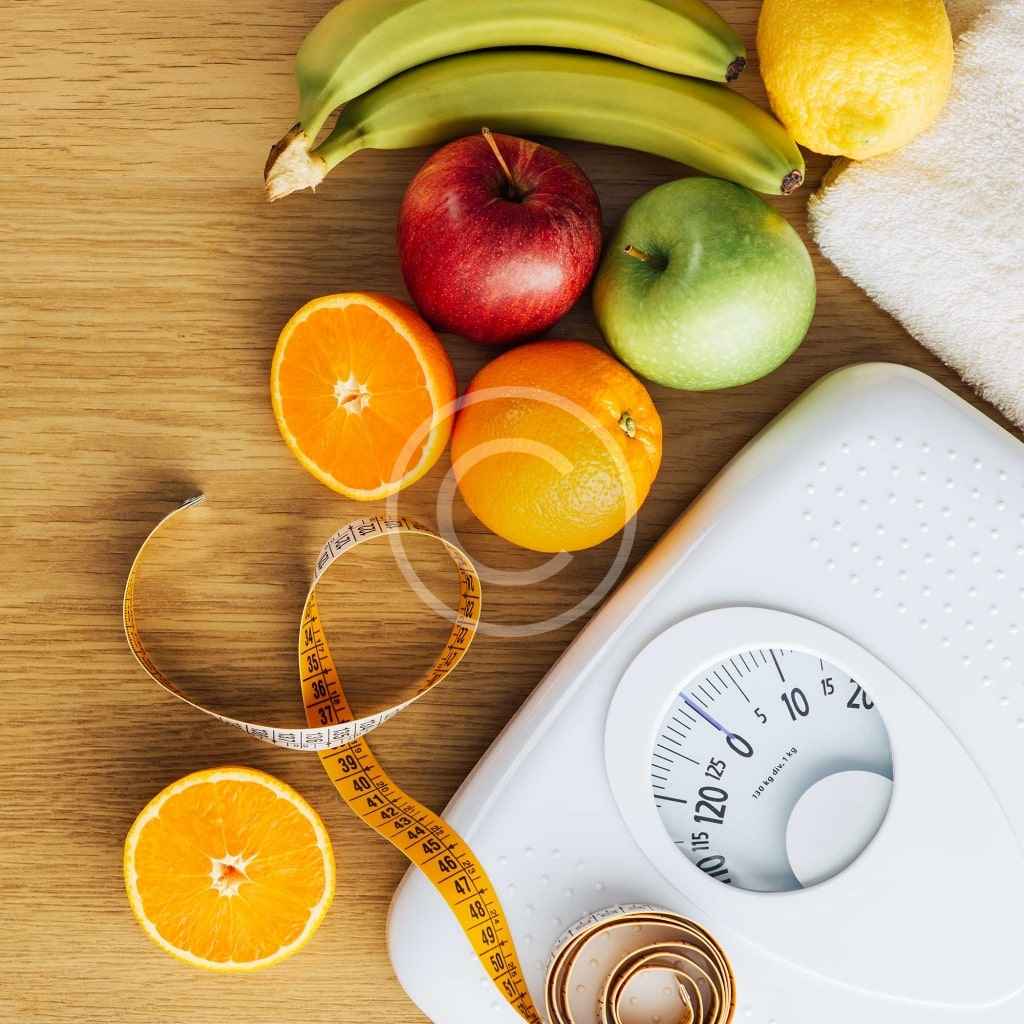
Did you know that the trillions of bacteria living in your gut can greatly impact your weight? Many people overlook this connection, but your gut health plays an essential role in how you manage your weight. It influences everything from metabolism to cravings. Curious about how to harness this knowledge for your own weight loss journey? Let's explore the fascinating link between gut health and effective weight management.
Key Takeaways
- A diverse gut microbiome enhances metabolic efficiency and nutrient absorption, aiding in weight management.
- Dysbiosis can lead to inflammation and hormonal imbalances, contributing to weight gain and difficulty losing weight.
- Fiber-rich diets promote healthy gut bacteria, improve satiety, and help regulate hunger hormones, supporting weight loss efforts.
- Incorporating probiotic-rich foods can curb cravings and enhance leptin sensitivity, promoting a feeling of fullness.
- Lifestyle factors like regular exercise, hydration, and stress management are crucial for maintaining gut health and effective weight loss.
Understanding the Gut Microbiome
Your gut microbiome is like a bustling city within your digestive system, teeming with trillions of microorganisms that play an essential role in your overall health. The microbiome composition can vary greatly from person to person, influencing everything from digestion to mood.
You might be surprised to learn about the gut-brain connection—how your gut health can impact your mental well-being. When your microbiome's balance is disrupted, known as dysbiosis, you could experience a range of negative effects, including inflammation and digestive issues.
That's where probiotic strains come in! By incorporating these beneficial bacteria into your diet, you can help restore balance and support a healthier gut. Think of it as nurturing your city, ensuring it thrives.
Paying attention to your gut health isn't just about digestion; it's a crucial step toward feeling your best overall. So, let's plunge into nurturing that busy city inside you!
How Gut Health Affects Metabolism
While many people think of metabolism as just how the body burns calories, it's actually a complex process influenced considerably by gut health. Your gut microbiome plays a vital role in microbial metabolism, affecting how efficiently your body processes nutrients and converts them into energy.
Here's a quick look at how gut health impacts your metabolism:
| Aspect | Benefit | Effect on Metabolism |
|---|---|---|
| Diverse Microbiome | Better nutrient absorption | Enhances metabolic pathways |
| Fiber-Rich Diet | Promotes healthy bacteria | Boosts energy production |
| Probiotics | Supports gut balance | Improves metabolic efficiency |
When your gut is healthy, it can lead to improved metabolic pathways, making it easier for you to manage your weight. So, nurturing your gut health isn't just about digestion; it's a significant player in your metabolism journey!
The Role of Gut Bacteria in Appetite Regulation
Your gut bacteria play a bigger role in your appetite than you might think!
A diverse microbiome can influence hormones that tell your body when to eat and when to stop.
Plus, those beneficial short-chain fatty acids they produce can help keep your cravings in check.
Gut Microbiome Diversity
When it comes to appetite regulation, the diversity of your gut microbiome plays a surprisingly crucial role. A balanced microbiome, rich in different types of bacteria, helps your body communicate better with itself, influencing your hunger signals.
You see, when your gut bacteria are diverse, they can work together to produce essential compounds that affect your appetite. This means you're more likely to feel satisfied after meals, helping you resist those pesky cravings.
Embracing the diversity benefits of your gut can lead to healthier eating habits and, ultimately, weight loss. So, think about incorporating a variety of fiber-rich foods into your diet, like fruits, veggies, and whole grains, to support that thriving microbiome and keep your appetite in check!
Hormonal Influence on Appetite
Hormones play a significant role in regulating appetite, and surprisingly, your gut bacteria are key players in this process. They influence appetite hormones like ghrelin and leptin, affecting hunger signals and satiety.
When your gut health is ideal, you're more likely to achieve hormonal balance, enhancing appetite control.
Here are a few ways gut bacteria impact your appetite regulation:
- Ghrelin Levels: Healthy gut bacteria can help keep ghrelin levels in check, reducing hunger.
- Leptin Sensitivity: A balanced microbiome improves leptin sensitivity, making you feel full more effectively.
- Metabolic Hormones: Your gut flora assists in regulating metabolic hormones, impacting overall energy balance.
Short-Chain Fatty Acids
While many people focus on diets and exercise for weight loss, the role of short-chain fatty acids (SCFAs) in appetite regulation shouldn't be overlooked.
These little powerhouses, produced by gut bacteria from fiber-rich foods, offer amazing short chain benefits. They help control your hunger hormones, making it easier to stick to your weight loss goals.
You can find fatty acid sources in foods like beans, whole grains, and vegetables. By boosting your intake of these foods, you not only improve your gut health but also promote the production of SCFAs.
Connection Between Gut Health and Fat Storage
Your gut health plays a bigger role in fat storage than you might think!
The balance of your gut microbiome can influence how your body processes and stores fat, affecting your overall weight.
Plus, hormonal regulation factors tied to gut health can make a significant difference in your weight loss journey.
Gut Microbiome Influence
Understanding the gut microbiome's role is essential for anyone looking to manage weight effectively. Your microbiome composition can influence fat storage and overall health. Here are a few key points to reflect on:
- Dysbiosis effects: An imbalance in your gut bacteria may lead to weight gain.
- Probiotics types: Incorporating various probiotics through fermented foods can enhance gut health.
- Prebiotics sources: Foods high in prebiotics feed beneficial bacteria, promoting a healthier microbiome.
The gut-brain connection also plays a significant role in how you feel and how your body processes food.
By debunking gut health myths and exploring microbiome interventions, you can better understand how dietary patterns and gut health supplements can support your weight loss journey.
Embrace these strategies to pave the way for a healthier you!
Hormonal Regulation Factors
The connection between gut health and hormonal regulation plays a significant role in how your body stores fat. When your gut is healthy, it supports hormonal balance, which is key for effective weight regulation. Hormones like leptin and ghrelin are influenced by your gut microbiome, impacting your appetite and metabolism.
Here's a quick overview:
| Hormone | Role in Weight Regulation | Gut Influence |
|---|---|---|
| Leptin | Signals fullness | Promotes gut health |
| Ghrelin | Triggers hunger | Affected by gut bacteria |
| Insulin | Regulates fat storage and sugar | Gut health affects sensitivity |
Foods That Promote a Healthy Gut
When you choose the right foods, you can greatly boost your gut health and set the stage for effective weight loss. Incorporating a variety of gut-friendly options can make a big difference in how you feel and function.
Here are some great choices to evaluate:
- Fermented foods like yogurt and kimchi, which are packed with beneficial bacteria.
- Prebiotic sources such as garlic and onions that feed your good gut bacteria.
- Fiber-rich vegetables like broccoli and spinach that promote healthy digestion.
Don't forget about healthy fats from avocados and olive oil, and whole grains like quinoa and brown rice that provide essential nutrients.
You might also explore probiotic supplements if you're looking for an extra boost.
The Impact of Probiotics on Weight Management
If you're looking to enhance your weight management efforts, adding probiotics to your routine might be a game-changer.
These beneficial bacteria help balance your gut flora, which plays a vital role in how your body processes food and stores fat. Certain probiotic strains, like Lactobacillus and Bifidobacterium, have been shown to support weight loss by improving digestion and reducing fat absorption.
When you maintain a healthy gut environment, you're not just feeling better; you're setting the stage for successful weight management.
Probiotics can also help curb cravings and regulate hunger hormones, making it easier to stick to your goals.
Incorporating probiotic-rich foods like yogurt, kefir, or even supplements can boost your gut health.
The Importance of Fiber for Gut Health
While you might know that fiber is essential for digestive health, its role in gut health goes beyond just keeping things moving.
It's a true powerhouse for your gut, providing numerous benefits you don't want to miss out on!
Here are a few key fiber benefits:
- Promotes healthy gut bacteria: Fiber acts as food for beneficial bacteria, helping them thrive.
- Enhances nutrient absorption: A healthy gut means better absorption of essential nutrients from the foods you eat.
- Supports weight management: Fiber-rich foods keep you fuller longer, helping you resist unhealthy snacks.
To get the most from your fiber sources, consider adding beans, whole grains, and fruits to your meals.
By incorporating these foods into your diet, you're not just supporting your gut health, but also paving the way for your weight loss journey.
How Stress Affects Gut Health and Weight
Stress can sneak up on you, and its impact on your gut health and weight might be more significant than you realize. When stress hormones like cortisol surge, they can disrupt gut balance, leading to digestive issues and altered gut signals. This often triggers emotional eating, which can derail your weight loss efforts.
Here's a quick overview of how stress affects your gut health and weight:
| Factor | Effect on Gut Health | Impact on Weight |
|---|---|---|
| Stress Hormones | Disrupt gut balance | Increase in cravings |
| Cortisol Levels | Alter digestion | Promote fat storage |
| Anxiety Impact | Heightened sensitivity | Slower metabolism |
| Lifestyle Choices | Poor dietary habits | Weight gain |
Prioritizing stress relief and mental well-being can enhance your lifestyle choices, helping you maintain a healthy gut and achieve your weight goals. You've got this!
The Relationship Between Gut Health and Inflammation
Your gut microbiome plays an essential role in regulating inflammation, which can directly impact your weight.
When inflammation is high, it might lead to unwanted weight gain, making it vital to understand how your diet influences this balance.
Let's explore how nurturing your gut health can help keep inflammation in check and support your weight loss journey.
Gut Microbiome's Role
Understanding the relationship between your gut microbiome and inflammation can be a game changer for your health.
When your gut microbiome communicates effectively, it helps keep inflammation at bay. A balanced gut can lead to better overall health and may support your weight loss journey.
Here are three key points to reflect upon:
- Gut health interventions can reshape your microbiome, promoting a healthier balance.
- Chronic inflammation can disrupt gut functions, making it harder to lose weight.
- Diverse gut bacteria can enhance nutrient absorption and metabolism, aiding in weight management.
Inflammation and Weight Gain
When it comes to weight gain, inflammation can be a silent yet powerful player in the game. Chronic inflammation often triggers your immune response, which can lead to weight retention. This process can happen without you even realizing it!
Here's a quick overview of how inflammation might impact your weight:
| Factor | Effect on Weight Gain | Connection to Gut Health |
|---|---|---|
| Chronic Inflammation | Increases fat storage | Disrupts gut microbiome |
| Immune Response | Promotes hunger hormones | Affects digestion |
| Gut Bacteria Imbalance | Triggers inflammatory signals | Alters metabolism |
| Stress-Induced Inflammation | Slows metabolism | Impacts gut function |
| Diet-Related Inflammation | Increases cravings | Affects nutrient absorption |
Understanding this relationship can empower you to take steps towards better gut health and, ultimately, weight management.
Dietary Impact on Inflammation
While it mightn't be obvious, the foods you choose to eat can greatly influence inflammation levels in your body. By making some simple dietary adjustments, you can support your gut health and reduce inflammation.
Here are a few anti-inflammatory foods to contemplate incorporating into your meals:
- Leafy greens like spinach and kale
- Fatty fish such as salmon and mackerel
- Berries, especially blueberries and strawberries
These foods not only help combat inflammation but also nourish your gut microbiome.
You don't have to overhaul your diet overnight; small changes can lead to big results. Start by swapping out processed snacks for these nutrient-dense options, and you'll likely notice an improvement in your overall health and well-being.
Strategies for Improving Gut Health for Weight Loss
Improving your gut health can be a game changer for weight loss, as a balanced gut microbiome plays an essential role in how your body processes food and regulates appetite. Here are some effective strategies to enhance your gut health:
| Strategy | Tips |
|---|---|
| Fermented Foods | Incorporate yogurt and kimchi |
| Prebiotic Fibers | Include oats and bananas |
| Mindful Eating | Focus on your meals, chew slowly |
| Regular Exercise | Aim for at least 30 mins a day |
Additionally, prioritize hydration levels, sleep quality, and stress management. These lifestyle changes can make a significant difference. Don't forget about nutrient timing and food variety; mixing things up keeps your gut happy! By implementing these strategies, you'll not only improve your gut health but also pave the way for effective weight loss. You've got this!
Conclusion
So, there you have it! Your gut health is like the unsung hero of your weight loss journey. By nurturing that microbiome with fiber-rich foods and probiotics, you can rev up your metabolism and keep those cravings in check. Remember, a happy gut equals a happy you! Think of it as your personal wellness sidekick. So, let's get started on this path to better gut health and watch those pounds melt away! You've got this!