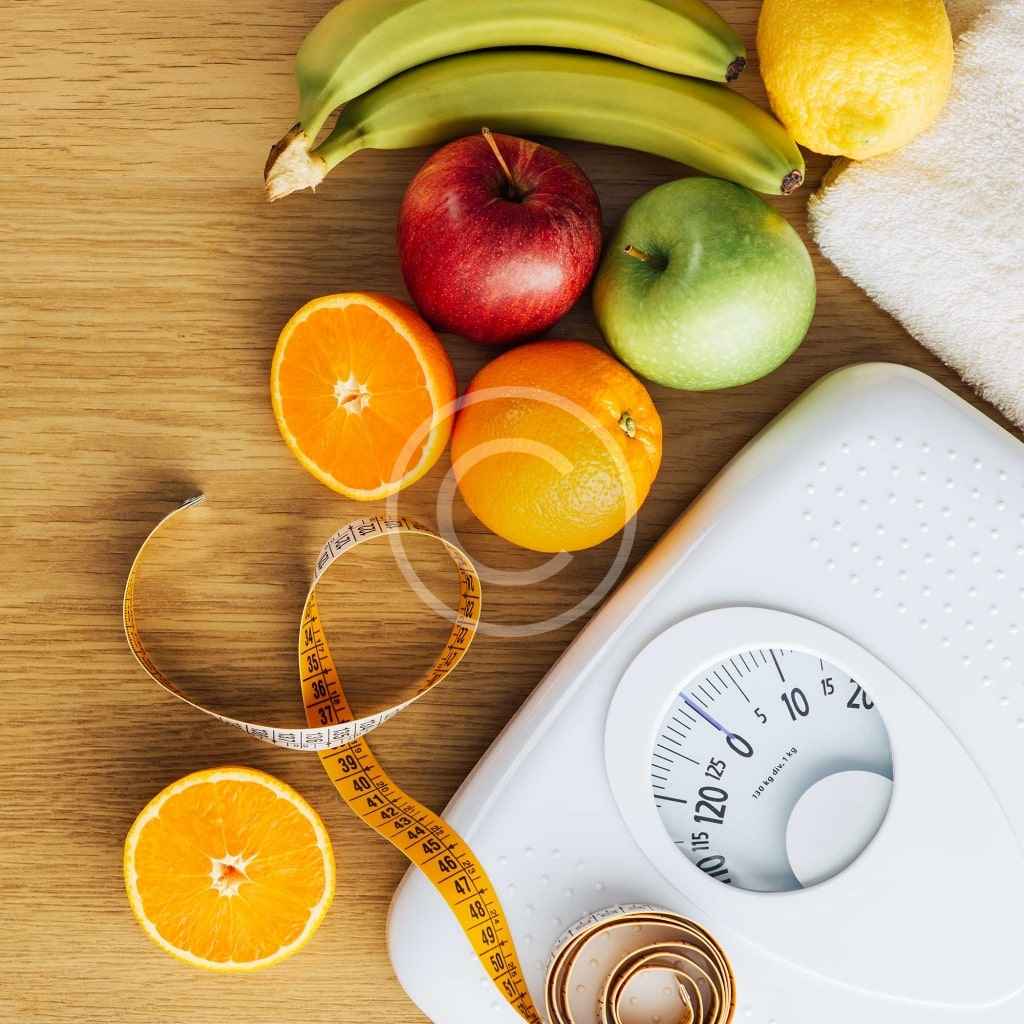
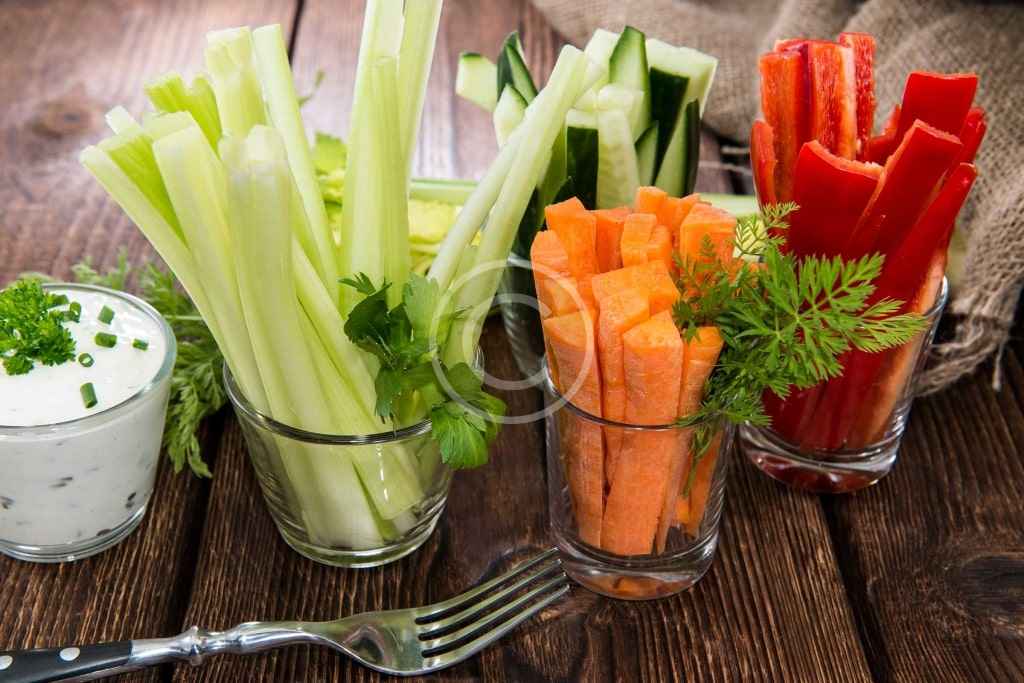
Creating nutritious meals for weight loss is easier than you think! Focus on whole foods like vibrant fruits, veggies, lean proteins, and healthy fats to fuel your journey. Practice portion control and mindful eating—really savor those bites. Swap processed options for fresh picks, using clever ingredient substitutions. Remember to stay hydrated with water and herbal teas. With smart planning and prepping, your meals will be both healthy and delicious. Want to discover more of these tasty tips?
Key Takeaways
- Focus on nutrient-dense foods to ensure meals are rich in vitamins and minerals while being low in calories.
- Incorporate a variety of whole foods from all major food groups for balanced nutrition.
- Use smart ingredient substitutions, such as whole grains and vegetable alternatives, to reduce calories.
- Practice portion control by balancing the plate with colorful vegetables, lean proteins, and whole grains.
- Stay hydrated with water and limit sugary drinks to support weight management.
Understanding the Basics of Balanced Nutrition
Understanding the basics of balanced nutrition is your first step towards healthier eating habits.
You'll find that focusing on nutrient density can transform how you approach your meals. This means choosing foods that are rich in vitamins, minerals, and other beneficial substances relative to their calorie content. It's not just about eating less; it's about eating smarter.
When you follow dietary guidelines, you'll be on the right track to maintaining a balanced diet.
These guidelines suggest incorporating a variety of foods from all the major food groups: fruits, vegetables, proteins, grains, and dairy. By doing so, you'll guarantee your body gets the essential nutrients it needs to function effectively. Remember, healthy dietary practices can significantly reduce the risk of malnutrition and noncommunicable diseases.
Choosing Whole Foods Over Processed Options
When it comes to achieving your weight loss goals, opting for whole foods over processed options can make a significant difference. Whole foods are packed with nutrients, providing your body with the fuel it needs without unnecessary additives.
By choosing whole grains, you'll benefit from the fiber and nutrients that help keep you satisfied longer, reducing the temptation to snack on less healthy options. Fresh produce is another fantastic choice, offering a wide range of vitamins and minerals that can boost your energy levels and enhance overall health.
Incorporating balanced meals from all food groups is essential for not only achieving weight loss but also maintaining overall health and well-being.
Making these choices is easier than you might think. Start by swapping white bread for whole grain varieties and incorporating more fruits and vegetables into your meals.
You'll soon notice that these small changes can lead to big results, helping you feel more vibrant and on track with your weight loss journey. Keep going—you're doing great!
Portion Control and Mindful Eating
When it comes to portion control, balancing your plate is a simple yet effective strategy that can help you on your weight loss journey. By savoring each bite, you not only enjoy your meals more but also give your body the time it needs to recognize fullness. Embrace this mindful approach, and you'll find it easier to make healthier choices without feeling deprived. Mindful Eating Techniques can enhance your relationship with food by promoting awareness of hunger cues and reducing emotional eating.
Balance Your Plate
Even though it might seem challenging at first, finding balance on your plate is an empowering step toward achieving your weight loss goals.
Start by focusing on meal composition to guarantee you're getting the right mix of nutrients. Aim for half your plate to be filled with colorful vegetables, which are high in nutrient density and low in calories.
The other half should combine lean proteins and whole grains. This balance helps you stay full longer, providing the energy you need without overindulging.
Savor Each Bite
How often do you truly savor each bite of your meal? It's easy to rush through eating without fully appreciating the flavors.
By practicing mindful chewing, you slow down and focus on the taste and texture of each bite. Try taking smaller portions and chew slowly; let your taste buds begin a flavor exploration. You'll discover hidden notes and nuances you'd usually miss.
Mindful eating helps with portion control too. When you eat slowly, your body has time to signal fullness, reducing the risk of overeating.
Enjoy your meals without distractions, like screens or multitasking. It's not just about eating less, it's about enjoying more.
Incorporating Lean Proteins and Healthy Fats
Incorporating lean proteins and healthy fats into your meals can be a game-changer on your weight loss journey. Choose lean protein sources like chicken, fish, or plant-based options that support muscle growth and keep you feeling full. Don't shy away from healthy fats like avocados and nuts, as they not only add flavor but also help balance your macronutrient intake for lasting energy. It's important to note that while high-protein diets can aid in weight management, the American Heart Association has recommended caution with certain high-protein diets due to potential health risks.
Choosing Lean Protein Sources
When you're on a weight loss journey, choosing the right foods can feel overwhelming, but it doesn't have to be. Lean protein sources are your best friends in this mission. They help build muscle, keep you full longer, and boost metabolism.
Think about including options like skinless chicken, turkey, and tofu in your meals. Not only are they delicious, but they also provide lean protein benefits without excess calories.
For those moments when you need a quick bite, consider protein rich snacks like Greek yogurt or a handful of almonds. These choices satisfy your hunger and keep your energy levels up.
Keep experimenting with different lean proteins to find what you love, and enjoy the process of nourishing your body!
Benefits of Healthy Fats
After embracing lean proteins, it's time to shine a light on the unsung heroes of a balanced diet: healthy fats. Including these fats in your meals can enhance flavor and support weight loss goals.
Healthy fat sources like avocados, nuts, and olive oil offer numerous benefits.
- Heart Health: Omega 3s found in fatty fish can reduce heart disease risk.
- Brain Boost: Omega 3s support cognitive function and mental clarity.
- Satiety: Healthy fats increase fullness, helping you avoid overeating.
- Nutrient Absorption: They aid in absorbing fat-soluble vitamins, enhancing overall nutrition.
Incorporating these fats can transform your meals.
Balancing Macronutrient Intake
Balancing macronutrients is key to a successful weight loss journey, and you can do it by skillfully combining lean proteins and healthy fats.
Imagine savoring a grilled chicken salad with avocados—delicious and satisfying! Lean proteins help build muscle, while healthy fats keep you feeling full longer.
Focus on the right macronutrient ratios to fuel your body efficiently. You might aim for a plate that's 40% lean proteins, 30% healthy fats, and 30% complex carbohydrates.
Timing your meals can also make a difference. Eating smaller meals more frequently throughout the day can keep your metabolism humming.
Don't forget, adjusting your macronutrient ratios and meal timing to fit your lifestyle makes this approach sustainable. You're on your way to success!
Building a Colorful Plate With Fruits and Vegetables
To truly embrace a nutritious lifestyle for weight loss, filling your plate with a vibrant array of fruits and vegetables is key. Not only do these colorful combinations make your meals more appealing, but they also provide essential nutrients that support overall health.
Embrace the joy of eating by exploring seasonal selections, which are often fresher and more flavorful. Here are some delicious ways to brighten your plate:
- Mix and match colors: Combine red peppers, orange carrots, and green spinach for a visually stunning salad.
- Explore local farmers' markets: They offer fresh, seasonal produce that supports local agriculture and introduces you to new flavors.
- Experiment with cooking methods: Try roasting, steaming, or grilling veggies to enhance their natural sweetness and texture.
- Incorporate fruits into meals: Add slices of apple or berries to a salad or toss pineapple into a stir-fry for a sweet twist.
- Remember to select fruits and vegetables without added sugars or sauces to maintain a healthy diet.
Smart Substitutions for Common Ingredients
When you're looking to make healthier choices, smart substitutions can transform your favorite recipes without sacrificing flavor. Start by embracing ingredient swaps that offer healthy alternatives. For instance, replace heavy cream with Greek yogurt for a creamy texture that's lower in calories.
Love mashed potatoes? Try using cauliflower instead; it's a fantastic low calorie replacement that still satisfies.
Don't underestimate the power of flavor enhancers like herbs and spices. They add depth without the need for extra salt or sugar. Think garlic, ginger, and fresh basil to elevate your dishes.
If you crave pasta, swap it out for zucchini noodles or spaghetti squash—nutritious, delicious, and satisfying.
Switching to whole grain versions of rice and bread boosts fiber and keeps you fuller longer.
Incorporating mid-meal snacks into your day can support healthy weight loss strategies and prevent unplanned eating.
Planning and Prepping Meals Ahead of Time
Although life can get busy, planning and prepping meals ahead of time is a game-changer in your weight loss journey.
With meal planning and batch cooking, you'll save time and reduce stress during the week. Imagine having healthy meals ready when you need them, helping you stick to your goals effortlessly.
To get started, consider these steps:
- Set aside time each week: Dedicate a couple of hours for planning and prepping. It's an investment in your health!
- Create a meal plan: Outline your meals for the week. Include a variety of nutritious options to keep things exciting.
- Batch cook staples: Prepare large quantities of versatile foods like grains, proteins, and veggies. Store them for easy mix-and-match meals.
- Invest in quality storage: Use containers that keep your food fresh and make portion control simple.
Including regular physical activity is also crucial for supporting weight loss and maintaining a healthy lifestyle, complementing your nutritious meal planning efforts.
Staying Hydrated and the Role of Beverages
How often do you think about the power of hydration in your weight loss journey? Staying hydrated is essential, and it can sometimes be overlooked.
Water isn't just a thirst quencher; it's a critical part of your body's processes that support weight loss. When you prioritize hydration, you're setting yourself up for success. Your body functions more efficiently, and it can even help curb cravings. Soluble fibers found in foods like fruits and legumes also play a role in supporting weight loss by promoting gastrointestinal health and regularity.
When considering beverage choices, water should be your go-to, but don't shy away from variety. Herbal teas, infused water, and even a splash of lemon can add a rejuvenating twist without extra calories.
It's important to remember that sugary drinks can sneak in unnecessary calories, so it's wise to limit those.
You've got this! With mindful beverage choices and a focus on hydration significance, you're empowering yourself to reach your weight loss goals while feeling your best.
Keep sipping!
Simple and Delicious Recipes to Try at Home
Hydration plays a key role in your weight loss journey, but it's equally important to focus on the foods you eat. By preparing simple and delicious recipes at home, you can enjoy nutritious meals that support your goals. Immerse yourself in these meal ideas and discover how easy it's to create satisfying dishes with healthy cooking techniques.
- Zucchini Noodles with Pesto: Swap traditional pasta for zucchini noodles. Sauté them lightly, then mix with a homemade pesto for a fresh, low-calorie dish.
- Baked Salmon with Asparagus: Season salmon fillets with lemon and herbs, bake alongside asparagus for a protein-rich, omega-3-packed meal.
- Quinoa and Black Bean Salad: Combine cooked quinoa, black beans, cherry tomatoes, and avocado for a fiber-rich, filling salad.
- Chicken Stir-Fry: Use lean chicken breast and a variety of colorful veggies with a light soy sauce for a quick, balanced meal.
Incorporating mindful eating into your routine can increase your awareness and appreciation of food, helping to reduce overeating. You've got this—cooking healthy can be fun and rewarding!
Frequently Asked Questions
Can I Eat Snacks and Still Lose Weight?
Absolutely, you can enjoy snacks and still lose weight! Focus on healthy snack ideas like nuts or yogurt. Practice portion control to keep everything balanced. You're on the right track, so keep up the great work!
How Does Stress Affect Weight Loss Efforts?
Picture stress as a tempest in a teapot. It releases stress hormones, making you crave comfort food, leading to emotional eating. But don't fret! With mindfulness, you can navigate this and keep your weight loss on track.
Is It Necessary to Count Calories for Weight Loss?
You don't have to count calories to lose weight, but calorie tracking can help. Focus on portion control and balanced meals. You've got this! Find what works for you and stay consistent. You'll see results.
What Role Does Sleep Play in Weight Management?
Ever wonder how sleep quality impacts weight management? Getting good sleep helps maintain hormonal balance, which is essential for weight control. Prioritize rest, and you'll find it easier to achieve your goals. You've got this!
How Do Cheat Meals Impact Weight Loss Progress?
Cheat meal strategies can impact progress, but don't worry! They help curb emotional eating and keep you motivated. Enjoy them occasionally while focusing on balance, and you'll stay on track with your weight loss journey. You've got this!
Conclusion
You've got this! By embracing balanced nutrition and making smart choices, you're well on your way to achieving your weight loss goals. Imagine Sarah, who swapped her sugary snacks for crunchy carrot sticks and hummus. She felt more energetic and watched the pounds melt away. Remember, it's about making small, sustainable changes like portion control and meal prepping. Stay hydrated, enjoy colorful meals, and explore new recipes. You're creating a healthier, happier you!