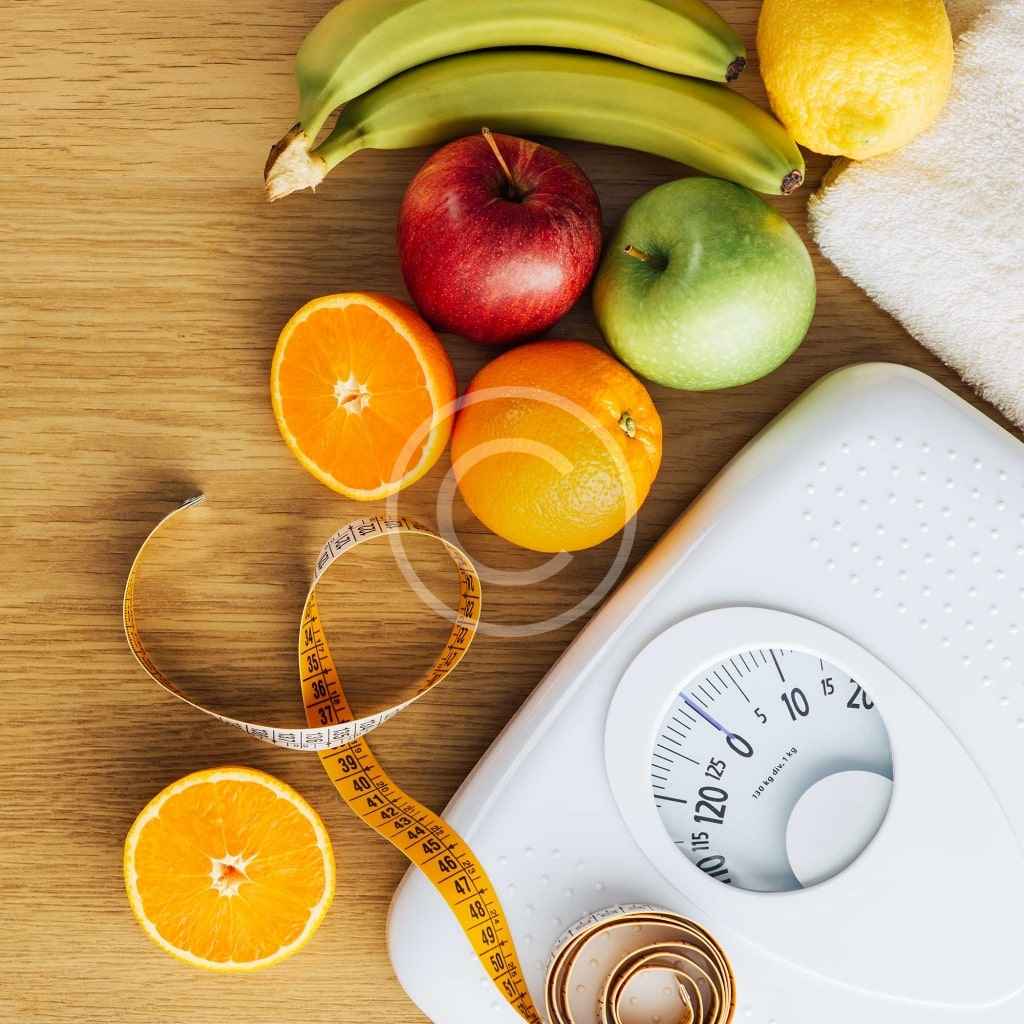
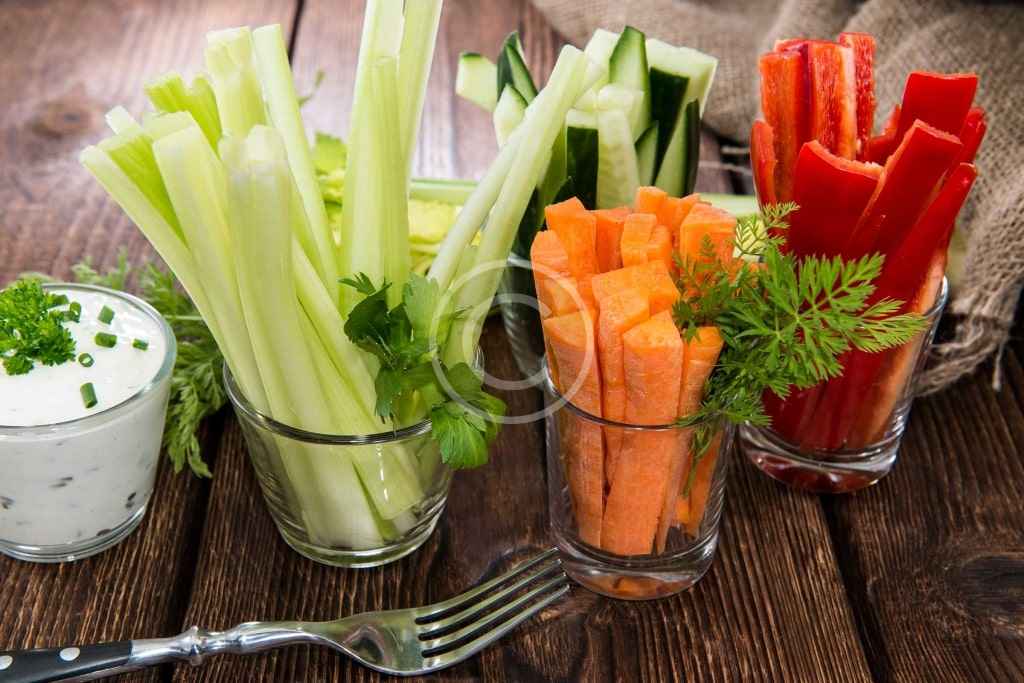
You might think portion control is too complicated or restrictive, but it doesn't have to be. Understanding how to gauge portion sizes can empower you to make healthier choices without feeling deprived. By learning to recognize true serving sizes, you'll discover how small adjustments can lead to big changes in your weight loss journey. So, how can you start mastering your portions and enjoy your meals more fully? Let's explore the essentials together.
Key Takeaways
- Portion sizes directly influence caloric intake, making it crucial to understand true serving sizes for effective weight management.
- Smaller servings of high-calorie foods help reduce unnecessary calorie consumption while allowing for enjoyment of meals.
- Misconceptions about serving sizes, especially from restaurants, can lead to overeating; awareness is key to staying on track.
- Tools like portion scales and measuring cups assist in accurately managing portion sizes, promoting mindful eating habits.
- Flexibility in adjusting portion sizes based on hunger cues fosters sustainable eating habits and supports long-term weight loss goals.
The Importance of Portion Control in Weight Loss
When you're trying to lose weight, understanding portion control can make a big difference in your success. It's all about finding that sweet spot between enjoying your favorite foods and maintaining a caloric balance.
By practicing portion awareness, you'll become more mindful of how much you're eating, which helps prevent those sneaky extra calories from sabotaging your goals.
Using smaller plates, measuring your servings, and paying attention to hunger cues can empower you to make better choices.
Remember, it's not just about cutting calories; it's about enjoying what you eat while still making progress.
When you're aware of your portions, you can indulge without guilt and still stay on track.
It's a journey, so be patient with yourself. Celebrate small victories and keep your focus on your overall health.
You've got this!
How Portion Sizes Affect Caloric Intake
Understanding how portion sizes affect your caloric intake is essential for successful weight loss. When you're mindful of portion sizes, you can better manage caloric density and avoid portion distortion. Smaller servings of high-calorie foods can help you cut back on unnecessary calories while still enjoying your meals.
Here's a simple comparison of different food items and their portion sizes:
| Food Item | Portion Size (Calories) |
|---|---|
| Almonds | 1 oz (164 calories) |
| Broccoli | 1 cup (55 calories) |
| Ice Cream | 1/2 cup (207 calories) |
| Chicken Breast | 3 oz (140 calories) |
| Avocado | 1/2 medium (120 calories) |
Common Misconceptions About Serving Sizes
It's easy to get confused about what a standard portion really looks like, especially with all the mixed messages out there.
You mightn't realize how emotional eating can also trick you into overestimating your serving sizes.
Let's clear up these misconceptions so you can make healthier choices that support your weight loss journey!
Misunderstanding Standard Portions
Many people assume they know what a standard serving size looks like, but misconceptions can lead to overeating and hinder weight loss efforts.
You might think a portion size is what you see at restaurants or on your plate at home, but that's often misleading. For example, a serving of pasta is typically much smaller than what you might scoop onto your plate.
Understanding true serving sizes can help you make smarter choices and stay on track. Remember, it's not just about what you eat; it's about how much.
Emotional Eating Triggers
Have you ever found yourself reaching for snacks when you're not really hungry? You might be experiencing emotional eating, where stress eating takes over and comfort food becomes your go-to.
Many people mistakenly believe that serving sizes are all about physical hunger, but emotions play a huge role too. When life gets overwhelming, those larger portions of your favorite snacks can feel like a quick fix.
It's important to recognize that this isn't just about food; it's about finding healthier outlets for your feelings. Try journaling or taking a walk instead of reaching for that extra slice of pizza.
Tools and Techniques for Measuring Portions
Measuring portions accurately can make a significant difference in your weight loss journey. Using the right tools can simplify this process and help you stay on track. Here are some effective options to evaluate:
| Tool | Purpose |
|---|---|
| Portion Scales | Weigh food for precise portions |
| Measuring Cups | Measure liquids and solids |
| Serving Spoons | Serve appropriate portion sizes |
| Portion Plates | Visually divide meals into sections |
Incorporating food diaries or digital apps can help you track what you eat and how much, making it easier to manage calorie intake. Pair these kitchen tools with calorie trackers to gain insights into your eating habits. Remember, the key is consistency, so choose the tools that work best for you. You've got this!
Mindful Eating: Listening to Your Body
While you commence on your weight loss journey, embracing mindful eating can transform your relationship with food. By tuning into your body signals, you'll start noticing hunger cues that indicate whether you're experiencing physical hunger or just mental hunger.
Practicing mindful awareness helps you differentiate between the two, allowing you to respond appropriately. Try slowing down your eating pace—this lets you savor each bite and increases food satisfaction.
Pay attention to how your body feels after each meal; this emotional awareness can guide your future choices. Are you truly hungry, or are you eating out of habit or stress?
When you listen to your body, you'll become more in tune with your needs, making it easier to achieve your weight loss goals. Remember, it's not just about what you eat, but how you eat.
Embrace this journey with patience and kindness toward yourself.
Strategies for Managing Portions When Dining Out
When you're dining out, managing portions can be a breeze with a few simple strategies.
Try choosing smaller plates to help control your serving sizes, and consider sharing dishes with a friend to keep things fun and satisfying.
These tips not only help with portion control but also enhance your dining experience!
Choose Smaller Plates
Choosing smaller plates can be a game changer for managing portion sizes when dining out. By simply reducing your plate size, you can trick your visual perception into thinking you're eating more than you actually are. This simple strategy helps prevent overeating while still enjoying your meal.
Here are some tips to make the most of smaller plates:
- Opt for smaller dishes when ordering, like appetizers or side plates.
- Fill your plate with colorful, nutrient-dense foods to boost satisfaction.
- Leave a little space on your plate to create the illusion of a fuller serving.
Embracing smaller plates can support your weight loss journey, allowing you to savor your food without the guilt of oversized portions.
Share Dishes Strategically
Eating out doesn't have to derail your weight loss efforts, especially if you share dishes strategically. By opting to share appetizers and entrees with friends or family, you can enjoy a variety of flavors without overwhelming your plate.
This approach not only helps manage portion sizes but also creates a fun, social dining experience. Consider meal prepping similar dishes at home and trying out sharing recipes with loved ones to inspire healthier choices.
When you choose to share, you can savor each bite while staying mindful of your portions. Remember, dining out can be a delightful experience that supports your weight loss journey, as long as you're intentional about your choices.
Enjoy the process and make it a habit!
The Role of Visual Cues in Portion Control
Understanding portion sizes can feel overwhelming, but visual cues can make it easier to keep your servings in check. By using visual references, you can improve your portion perception and avoid overeating without feeling deprived.
Here are a few helpful strategies:
- Plate size: Use smaller plates to create the illusion of a fuller plate.
- Hand measurements: Use your palm for protein portions and your fist for carbs.
- Food visuals: Compare servings to everyday objects, like a tennis ball for a serving of fruit.
These simple tricks can help you gauge portions more accurately and encourage mindful eating.
By relying on visual cues, you'll naturally gravitate toward healthier serving sizes. Remember, it's about progress, not perfection.
With patience and practice, you'll find yourself mastering portion control while enjoying your meals!
Creating a Sustainable Portion Control Plan
Building on the idea of using visual cues for portion control, creating a sustainable portion control plan is all about finding what works for you in the long run.
Start by experimenting with different serving sizes and tracking how they make you feel. You might use smaller plates or bowls, which can naturally encourage portion planning. Remember, it's not just about cutting back; it's about building sustainable habits that you can maintain over time.
Consider meal prepping, so you have ready-to-go portions that fit your needs. This saves time and helps you avoid impulsive choices.
Also, listen to your body's hunger signals; it's okay to adjust portions based on how you feel. Celebrate small victories along the way and be patient with yourself.
With practice, you'll find a balanced approach to portion control that supports your weight loss journey while fitting seamlessly into your lifestyle.
Conclusion
By mastering portion sizes, you're not just shedding pounds—you're gaining a whole new outlook on food! Embracing mindful eating and understanding how to control your portions can feel like discovering a treasure map to your weight loss goals. Remember, it's not about deprivation; it's about making smarter choices that fit your lifestyle. So, take a deep breath, trust yourself, and enjoy the journey. You've got this, and every small step brings you closer to success!