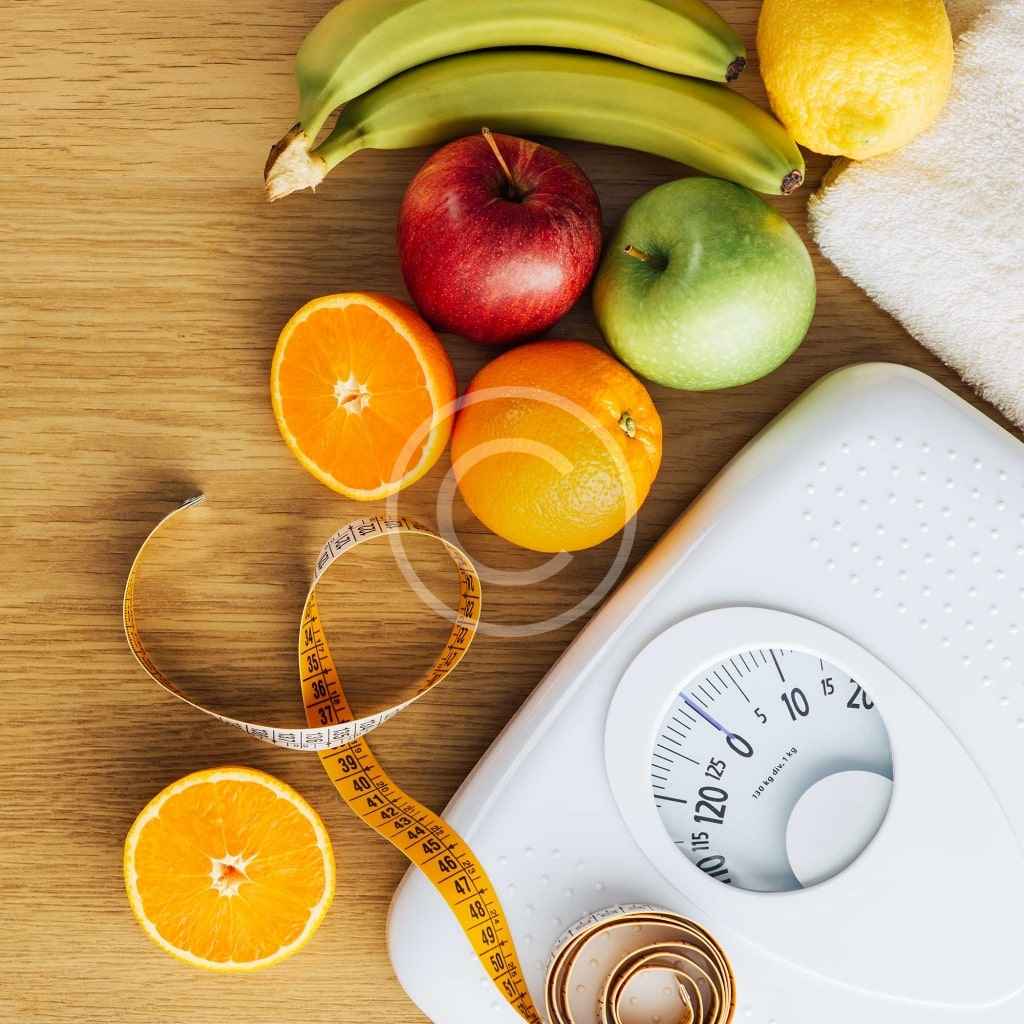
You might think weight loss demands unbearable workouts and strict diets, but that's not the whole picture. Embracing enjoyable activities and balanced nutrition can actually lead to more effective results. It's time to challenge those common myths and misconceptions that might be holding you back. With a better understanding, you can set realistic goals and make lasting lifestyle changes. Curious about how to make this shift and what myths to leave behind?
Key Takeaways
- Effective weight loss doesn't require painful workouts; enjoyable activities enhance motivation and sustainability.
- Spot reduction is a myth; fat loss occurs throughout the body with full-body workouts and strength training.
- Skipping meals slows metabolism and risks overeating, while balanced meals support metabolism and health.
- Carbs are essential for energy; focus on whole grains and nutrient-rich options for sustainable weight management.
- Quick fixes are ineffective; sustainable lifestyle changes and gradual progress lead to lasting weight loss success.
The Truth About "No Pain, No Gain"
While the phrase "no pain, no gain" might sound motivating at first, it's crucial to understand that effective weight loss doesn't have to be a grueling or painful process. You don't need to push yourself to the brink of exhaustion or endure discomfort to see results.
Instead, focus on finding activities that boost workout motivation and bring you joy. When you're engaged in exercises you enjoy, your perception of pain diminishes, making the journey more sustainable.
Incorporating a variety of activities can keep things exciting and prevent boredom. Maybe it's a dance class, a brisk walk in the park, or a relaxing swim. These activities can all contribute to your goals without the need for intense pain.
Why Skipping Meals Isn't the Key to Weight Loss
Skipping meals might seem like a quick fix for weight loss, but it can actually slow your metabolism, making it harder to shed those pounds.
By missing out on meals, you're also risking nutrient deficiencies that can affect your overall health.
Plus, going hungry often leads to overeating later, which can sabotage your weight loss goals.
Impacts on Metabolism
Contrary to popular belief, skipping meals isn't the magic bullet for weight loss—it can actually throw your metabolism off balance.
You've probably heard some metabolism myths suggesting that eating less boosts your weight loss efforts. However, when you skip meals, your body may enter a state of metabolic adaptation. This means it starts conserving energy by slowing down, which can make losing weight even harder.
Instead of skipping meals, focus on eating balanced, nutritious meals to support your metabolism. By fueling your body consistently, you'll maintain steady energy levels and support your body's natural calorie-burning processes.
Nutrient Deficiency Risks
Nourishing your body with regular meals isn't just about keeping your metabolism in check—it's also vital for preventing nutrient deficiencies. Skipping meals might seem like a quick way to shed pounds, but it can lead to poor nutrient absorption.
When you don't eat regularly, your body can miss out on essential vitamins and minerals. Over time, this can lead to vitamin deficiency, leaving you feeling tired and sluggish.
Eating balanced meals helps guarantee your body gets the nutrients it needs to function at its best. By maintaining a consistent eating schedule, you support your body's natural processes and promote overall wellbeing.
Hunger and Overeating
Even though it might seem like a good idea, skipping meals isn't the secret to effective weight loss. Ignoring your hunger cues can lead to emotional eating and binge eating later on.
Instead, focus on mindful eating. By paying attention to your satiety signals, you'll know when you're truly full, helping you avoid overeating. Portion control is your ally here, allowing you to enjoy your meals without guilt.
Recognize your food triggers, and find healthier ways to cope with stress eating. When you eat regularly, you maintain energy levels and reduce the urge to snack impulsively.
Embrace a balanced approach, where your relationship with food supports your goals and well-being. You've got this, one mindful bite at a time!
The Myth of Spot Reduction
Many people believe that focusing on exercises for specific body parts, like doing countless sit-ups for a flat stomach, will magically melt away fat in those areas. This idea, known as spot reduction, is a common misconception.
While it's tempting to think you can target fat loss, your body doesn't shed fat in just one spot. Instead, fat loss occurs throughout your entire body, depending on your genetics, diet, and overall fitness routine.
But don't worry! You're on the right track by engaging in exercise. To achieve that toned look, focus on a combination of full-body workouts, strength training, and cardiovascular exercises.
This approach not only helps with burning fat more efficiently but also builds muscle, increasing your metabolism. Remember, patience and consistency are your best allies.
With time and effort, you'll notice improvements in your overall body composition, leading to a healthier, fitter you.
Debunking Carbs as the Enemy
You might think cutting carbs is the only way to shed pounds, but carbs are actually essential for fueling your body.
It's important to distinguish between the good and bad carbs, focusing on whole grains and vegetables rather than processed options.
Instead of eliminating carbs entirely, aim for a balanced intake that supports your energy and health goals.
Carbs Fuel Your Body
While it's common to hear that carbohydrates are the enemy of weight loss, it's important to understand that carbs actually play a crucial role in fueling your body.
They're one of your primary energy sources, helping you power through workouts and daily activities. By focusing on smart carb timing, you can harness their benefits effectively. Eating carbs at times when your body needs energy the most, like before physical activity, guarantees you're using them to their full potential.
Carbs aren't something to fear; they're a friend when used wisely. They support your metabolism and help maintain muscle mass.
Embracing them with a balanced approach can lead to sustainable weight management. Remember, carbs are your body's ally, not an enemy.
Differentiate Good and Bad
Although carbs often get a bad rap in the world of dieting, it's essential to distinguish between good and bad carbs to make informed choices.
Good foods like whole grains provide nutrient density and keep you full longer. They're packed with healthy fats and essential nutrients that fuel your body and support overall health.
On the other hand, bad foods like processed snacks and those high in unhealthy sugars offer empty calories with little nutritional benefit.
By choosing whole grains and avoiding processed snacks, you're prioritizing nutrient-rich options that support your goals.
Balance Over Elimination
Understanding the difference between good and bad carbs is just the beginning of a mindful eating journey. It's important to remember that balance, not elimination, is key to sustainable habits. Carbs are not the enemy; they fuel your body and mind. Instead of cutting them out, focus on choosing healthier options and watch your energy soar. Embrace whole grains, fruits, and vegetables, which provide essential nutrients and keep you satisfied.
Here's a quick guide to help you:
| Good Carbs | Not-So-Good Carbs |
|---|---|
| Quinoa | White bread |
| Brown rice | Sugary cereals |
| Sweet potatoes | Pastries |
| Whole grain pasta | White pasta |
| Oats | Candy |
Understanding the Role of Metabolism in Weight Loss
Metabolism often gets a reputation as the gatekeeper of weight loss, but don't be fooled—there's a lot more to it than meets the eye. Your metabolic rate, the speed at which your body burns calories, plays a significant role, but it's not the only factor.
Think of it as part of your body's overall energy expenditure, which includes physical activity and even digestion.
Boosting your metabolic rate isn't about magical solutions; it's about making sustainable lifestyle choices. Regular exercise, particularly strength training, can increase your muscle mass, which in turn boosts your metabolism.
Don't overlook the power of a balanced diet rich in nutrients that fuels your body's needs.
The Reality of Rapid Weight Loss Solutions
When you're tempted by the allure of rapid weight loss solutions, it's important to approach them with a healthy dose of skepticism. Quick fixes often promise dramatic results, but they rarely deliver lasting changes.
Instead of getting swept up in the hype, focus on sustainable strategies that promote long-term well-being. Healthy weight loss is more about adopting lifestyle changes and less about instant success. By setting realistic expectations, you'll create a positive environment for gradual progress. Remember, it's okay to take your time.
Incorporate balanced nutrition, regular exercise, and proper sleep into your routine. These elements work together to support your journey. Celebrate small victories—they add up!
Rapid weight loss solutions might seem enticing, but the true magic lies in steady, mindful progress. You're capable of achieving your goals with patience and persistence, so trust in the process and embrace the healthier you.
Conclusion
Did you know that 80% of people who lose weight gain it back within a year? But don't worry, you're not destined for that statistic! By embracing balanced nutrition, realistic expectations, and enjoyable activities, you can defy the odds. Remember, sustainable weight loss isn't about punishing your body; it's about nurturing it. Celebrate small victories, stay informed, and keep a positive mindset. You've got the power to make lasting changes and thrive on your journey to health.