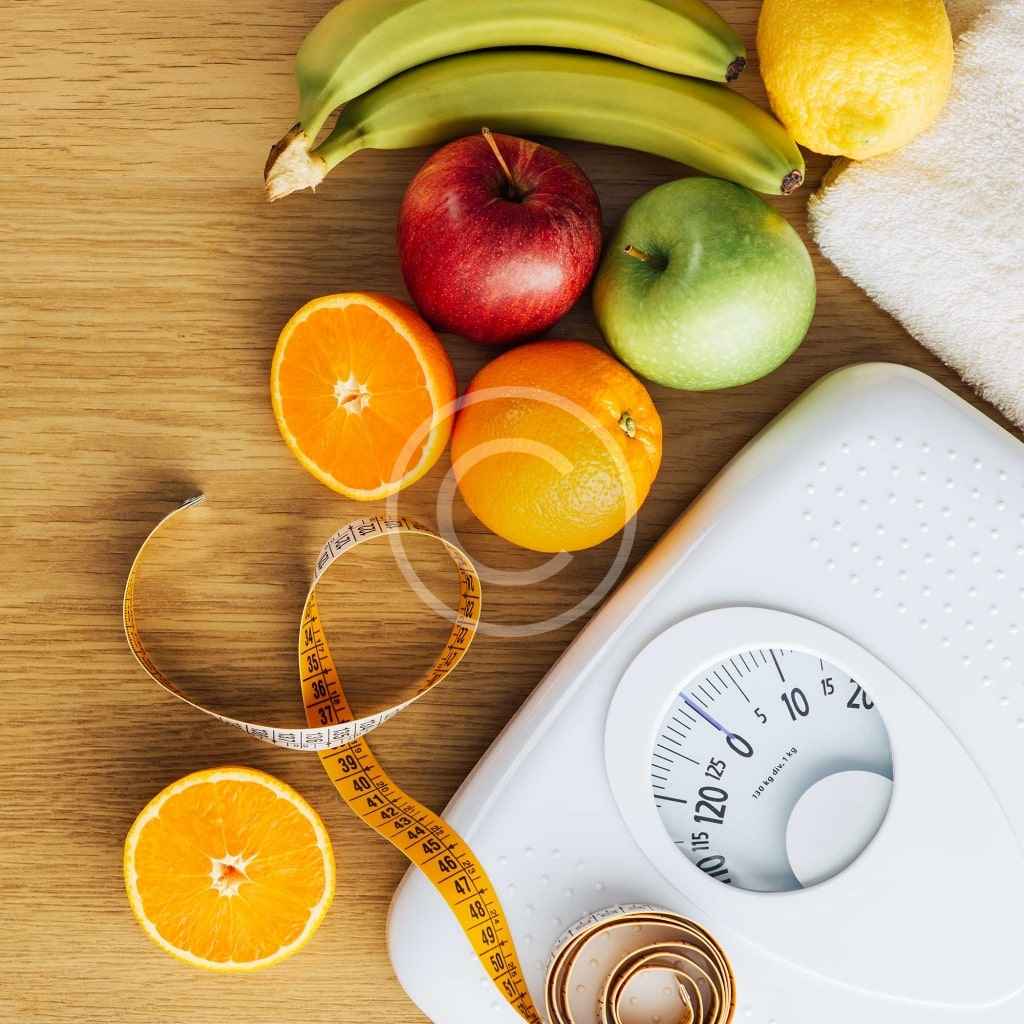
Belly fat can be a pesky companion, often sticking around despite your best efforts. It's not just about aesthetics; it impacts your health too. Ever wonder why some people carry more weight around their midsection? Genetics, hormones, and lifestyle choices all play a part. But don't worry—there are effective ways to tackle it! From understanding your body's unique responses to making small, impactful changes, you've got the tools to succeed. Curious about where to start?
Key Takeaways
- Genetics and hormones influence belly fat, with lifestyle changes helping manage hereditary and hormonal impacts.
- Nutrient-rich foods and mindful eating practices reduce belly fat by promoting healthy food choices and portion control.
- High-intensity interval training and strength training effectively decrease belly fat by boosting metabolism and increasing muscle mass.
- Stress management techniques like yoga and deep breathing prevent stress-induced belly fat gain by lowering cortisol levels.
- Quality sleep, achieved through good sleep hygiene, supports hormonal balance and reduces cravings, aiding in belly fat reduction.
The Role of Genetics in Belly Fat Accumulation
When it comes to belly fat, it's easy to blame poor eating habits or lack of exercise, but sometimes, you can thank your genes. You might notice that everyone in your family carries weight around the midsection, hinting at a genetic predisposition.
It's not just about what you eat or how often you hit the gym; your DNA plays a role too.
Consider familial habits that might accompany these genes. If your family gatherings revolve around hearty meals and cozy couch time, it's likely not just your genetic makeup influencing your waistline.
You inherit not only your genes but also family behaviors.
But don't worry, understanding this can empower you! Recognizing the genetic factors and the habits you've picked up can inspire you to make small changes.
Swap a family tradition of movie-night snacks for a brisk walk together. Little by little, you can work towards a healthier balance.
Hormonal Influences on Abdominal Fat Storage
You've probably noticed that hormones can have a big impact on how your body stores fat, especially around the belly.
When insulin levels are high, your body tends to hang on to fat, while stress-related hormones like cortisol can make your tummy a prime storage spot during tough times.
And for many, changes in estrogen can also affect where and how fat is stored, making it important to pay attention to these hormonal factors in your belly fat reduction journey.
Insulin's Role in Fat
Although it might not be obvious at first, insulin plays a significant role in how your body stores abdominal fat. When your insulin sensitivity is high, your body handles glucose metabolism efficiently, converting sugar into energy rather than storing it as fat. But if you're not mindful, low insulin sensitivity can lead to excess belly fat. Think of insulin as a traffic cop directing glucose. If the signals get mixed up, traffic jams happen, leading to fat accumulation.
Here's a quick guide to help visualize:
| Insulin Sensitivity | Glucose Metabolism | Result |
|---|---|---|
| High | Efficient | Less fat |
| Moderate | Average | Some fat |
| Low | Inefficient | More fat |
Cortisol and Stress Impact
Life's daily stresses impact more than just your mood; they can also lead to increased belly fat due to the hormone cortisol. When cortisol levels rise, your body shifts to storing more fat in the abdominal area.
Think about those times when a work deadline looms, and you find yourself reaching for snacks. It's your body's way of dealing with stress.
But don't worry, you can manage this! Stress management techniques like yoga, meditation, or even a short walk can help lower cortisol levels.
Try scheduling a few minutes each day for deep breathing exercises or a relaxing hobby. By incorporating these practices, you'll not only feel better but also help your body maintain a healthier balance and reduce belly fat.
Estrogen's Effect on Storage
Just as stress influences belly fat through cortisol, hormones like estrogen also play a significant role in how our bodies store fat, particularly around the abdomen.
When estrogen levels are balanced, fat distribution tends to be more even. But when there's an imbalance, you might notice more fat settling around your belly. It's not just you; many experience this, especially during times of hormonal shifts like menopause.
Think of your body as a finely tuned orchestra, where each hormone plays its part. When estrogen's off-key, fat storage might favor your midsection.
To help maintain estrogen balance, consider lifestyle tweaks like a balanced diet, regular exercise, and stress management. Remember, small steps can make a big difference in achieving a healthier, more comfortable you.
The Impact of Diet on Belly Fat
You can make a real difference in reducing belly fat by focusing on what you eat.
By choosing nutrient-rich foods, cutting down on sugar, and being mindful of portion sizes, you're setting yourself up for success.
Think of it like swapping a sugary soda for a revitalizing glass of water or enjoying a smaller plate of your favorite meal—small changes can lead to big results!
Nutrient-Rich Food Choices
When it comes to reducing belly fat, focusing on nutrient-rich food choices can make a significant difference. By incorporating superfoods like avocados and berries into your meals, you're embracing their benefits, such as essential vitamins and healthy fats. These foods keep you satisfied longer, making it easier to resist unhealthy snacks. Fiber-rich foods, like oats and beans, are your belly's best friends. They aid digestion and help you feel full, which is vital for reducing fat.
Here's a quick guide to some great choices:
| Food | Superfoods Benefits | Fiber Sources |
|---|---|---|
| Avocados | Healthy fats, vitamins | Soluble fiber |
| Berries | Antioxidants, vitamins | Dietary fiber |
| Oats | Heart health, energy | Soluble fiber |
| Beans | Protein, nutrients | Dietary fiber |
With these on your plate, you're making a positive change!
Sugar and Belly Fat
While it might seem harmless to indulge in a sugary treat now and then, sugar can greatly impact belly fat. Giving in to sugar cravings frequently can lead to a buildup of added sugars in your diet. This often happens with sugary drinks, which are easy to consume in large quantities.
The metabolic effects of excess sugar include insulin spikes that encourage your body to store more fat, especially around the belly. You don't have to eliminate sweetness from your life, though. Consider using sugar substitutes like stevia or monk fruit to satisfy your sweet tooth without the added sugars.
Making small changes can have a big impact on your waistline and overall health, helping you feel more energetic and confident.
Portion Control Strategies
Although it can be tempting to fill your plate to the brim, mastering portion control is a powerful strategy for reducing belly fat. Start by becoming aware of serving sizes and practice mindful eating.
Pay attention to meal timing and choose smaller plates as part of your plate strategy. This can help create the illusion of a fuller plate while keeping portions in check.
At family meals, focus on portion awareness rather than piling up your plate. Making smart snack choices, like fruits or nuts, can also curb cravings without overindulging.
Consider food journaling to track what and how much you're eating. This practice can offer insights into your eating habits, helping you make positive changes and achieve your belly fat reduction goals.
Exercise Strategies for Reducing Belly Fat
Shedding belly fat isn't just about aesthetics; it's about embracing a healthier lifestyle. You can start by incorporating high intensity intervals into your routine. Think of a quick sprint followed by a slower jog. It's like giving your metabolism a little jolt of energy, helping you burn calories even when you're not working out. Plus, it's perfect if you're short on time.
Strength training is another fantastic approach. You don't need to lift heavy weights to see results. Start with bodyweight exercises like squats and push-ups. They not only help tone your muscles but also increase your resting metabolic rate, meaning you burn more calories at rest.
Picture yourself confidently doing activities you love—playing with your kids, gardening, or dancing at a party.
With a mix of high intensity intervals and strength training, you'll be on your way to a healthier, more vibrant you. Keep going; you've got this!
Stress and Its Connection to Belly Fat
As you navigate the ups and downs of life, stress can sneakily contribute to belly fat, making it more than just a nuisance.
Imagine a hectic day at work; it's easy to find comfort in a tub of ice cream or a bag of chips. This emotional eating becomes a temporary stress reliever, but it can add to your waistline over time.
When you're stressed, your body releases cortisol, a hormone that influences fat storage, especially around the belly.
You can tackle this by embracing stress management techniques. Consider yoga or deep breathing exercises, which are both great ways to unwind.
Even taking a short walk can clear your mind and reduce stress. Remember, you're not alone in this journey. Many people face similar challenges, and with a bit of awareness and effort, you can make a positive change.
Start small, and watch as your stress and belly fat gradually decrease.
Lifestyle Changes for Long-term Belly Fat Reduction
When you decide to make lifestyle changes for long-term belly fat reduction, it's like opening a door to a healthier, more vibrant version of yourself.
Small, consistent changes can make a big impact over time. Here are three key strategies to embrace:
- Mindful Eating: Slow down and savor each bite. Pay attention to your body's hunger signals and stop when you're satisfied, not stuffed. This practice helps you enjoy food more and reduces overeating.
- Sleep Hygiene: Aim for 7-9 hours of quality sleep each night. Create a calming bedtime routine, keep screens away, and make your bedroom a serene space. Good sleep regulates hormones that control hunger and cravings.
- Active Lifestyle: Incorporate daily movement. Whether it's a brisk walk, dancing in your living room, or yoga, find activities you love. Consistency is key, so make it enjoyable.
These steps, combined with a positive mindset, pave the way to lasting change.
Conclusion
Imagine standing in front of a mirror, feeling lighter, healthier, and more confident. You've tackled your belly fat by understanding its sources—genetics, hormones, diet, exercise, and stress. You've embraced nutrient-rich meals, intense workouts, and soothing yoga. You've listened to your body, managing stress with deep breaths, and prioritized restful sleep. Each small change has built towards this moment. You're not just reducing belly fat; you're transforming your lifestyle. You're on the path to a healthier, happier you. Keep going!