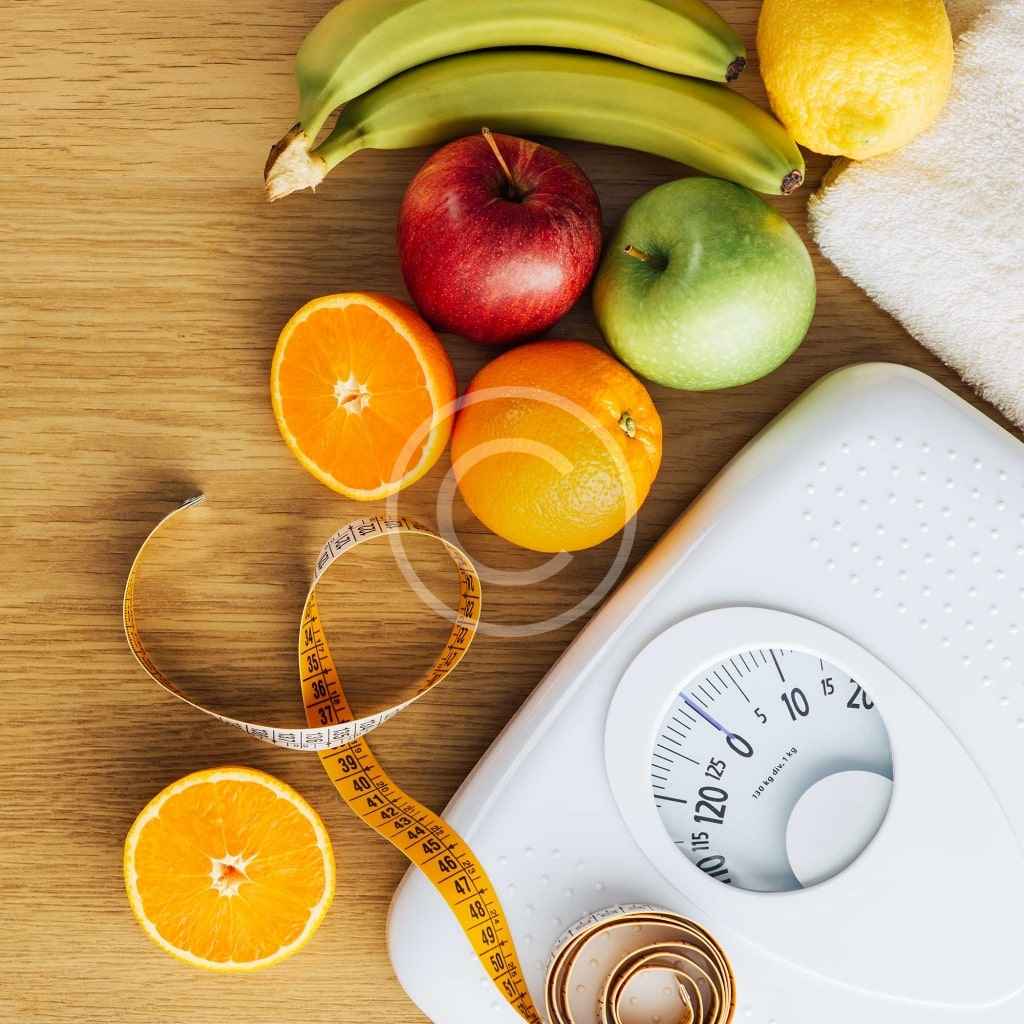
Engaging in a weight loss journey can be stressful, but there are ways to manage it and advance both your goal and overall well-being.
Physical self-care encompasses prioritizing healthy diet and sleep patterns, as well as participating in activities that provide nourishment for your body such as exercise, rest and other enjoyable pursuits.
1. Get Enough Sleep
Sleep is essential to overall health and wellbeing; what many may not realize is its impact on weight management. A lack of sufficient rest can increase hunger and suppress metabolism – two things which make losing weight challenging even with diet and exercise regimen.
Studies have demonstrated that people who sleep less than eight hours each night tend to have higher BMIs than those who receive at least seven or more. This is likely because lack of sleep increases levels of the hormones ghrelin and leptin, which cause overeating and feelings of hunger even after consuming enough food. Furthermore, poor rest causes cortisol production which causes blood sugar levels to spike, leading to further releases of ghrelin and leptin that only perpetuate their effects further – creating an endless cycle that makes losing weight difficult!
Avoid this situation by making sure you are getting enough sleep on a consistent basis. Start by creating and sticking to a consistent sleeping schedule – aim to go to sleep and wake up around the same time every day so your body gets used to this schedule. Furthermore, be sure to eat regular meals as well as avoid drinking caffeine or alcohol in the evening.
And finally, practice stress-relief activities such as meditation, deep breathing, visualization, exercise or adding relaxing activities such as reading a book into your daily routine – these practices will help lower stress levels, lower obesity risk and enhance mood.
“Putting on your oxygen mask before helping others” is an old saying that applies here; taking care of yourself allows you to be better equipped when needed by others. So find activities that recharge your battery and make them a priority in your life.
Self-care refers to taking measures that promote mental, physical and emotional well-being. If you need help getting started with this approach, seeking advice from mental health professionals might help. Therapy sessions could offer strategies for relieving stress while improving sleep, nutrition and exercise habits.
2. Eat Healthy
Under stress, it can be tempting to choose less-than-healthy food options. Stress hormones release chemicals which trigger your appetite and lead to cravings for unhealthy comfort foods; at the same time, these hormones slow metabolism leading to weight gain even without increasing caloric consumption.
Dieting healthy is one of the best ways to alleviate your stress levels and drop weight, as well as improving mental wellbeing. Eating well will provide energy and focus to face each day without stressors weighing heavily on you.
Eating well requires smart choices in addition to getting enough rest. Aim to incorporate lean proteins, whole grains, fruits and vegetables as part of a balanced diet in your daily meal plans; these foods may give your energy boosts while improving mood and making weight loss simpler.
Studies demonstrate the benefits of regular exercise to help combat feelings of stress and anxiety, improve mood, build confidence, and enable you to cope better with challenges life throws your way.
Keep in mind that self-care looks different for each of us. Some may find taking a relaxing bath or walking through nature is the perfect way to unwind; others might benefit more from talking to a friend or practicing mindfulness. Try incorporating these activities into your daily routine and observe how they make you feel.
Remember to seek professional assistance if your stress is affecting your health, psychotherapy may help. Cognitive Behavioral Therapy (CBT), for example, can teach coping strategies to deal with various sources of tension; additionally a psychologist can teach healthy boundary setting so food doesn’t become an outlet of comfort – instead of reaching for vending machine snacks after a rough day at work, try going for a walk or sitting down for tea instead!
3. Exercise
Many individuals struggle to fit exercise into their lives regularly. This can be especially true of individuals seeking weight loss as well as those struggling with health concerns or who are overweight. Exercise is a form of self-care which can reduce stress, improve sleep quality and boost energy – yet finding time for regular workouts may prove challenging when life events take precedence over one’s plans.
Exercise can be an excellent way to relieve stress and help weight loss. Virtually any form of physical activity will increase endorphin levels – the natural mood boosters. Furthermore, pumping action of exercise helps burn calories to aid weight loss.
Study findings published in Clinical Psychology & Psychotherapy showed that participants who took part in a stress management program experienced greater weight loss. This eight-week program featured sessions led by trained health professionals that focused on progressive muscle relaxation techniques like diaphragmatic breathing and guided visualization; additionally participants received diaries to track food choices and exercise activities.
Stressful situations often cause people to miss or skip meals altogether, leading to later overeating and making weight loss even harder. Stress also often makes us crave foods high in fat or sugar which only compound their woes further.
Discover which self-care activities you enjoy the most and find ways to incorporate them into your daily routine – be it regular meals at set times, taking multivitamin supplements, getting enough sleep or going on outdoor walks or joining group fitness classes.
Integrating these behaviors into your daily routine can have a dramatic effect on your ability to manage stress. While making these changes a part of your lifestyle may take time, remember that even small adjustments can make a big difference over time. If you are having difficulty dealing with the strain of life’s stresses alone, seek guidance from a mental health counselor or therapist for support.
4. Relax
When we think of relaxing, many may envision lounging around with a glass of wine on the couch while sipping from their wine glass; conversing with friends at an inviting cafe; or going for a jog. Unfortunately, however, these aren’t the best ways to unwind and may actually work against our weight loss efforts.
True relaxation alters the body’s chemistry. It slows your heart rate and causes your blood vessels to dilate, which reduces inflammation while releasing feel-good chemicals such as endorphins. Furthermore, true relaxation helps lower cortisol production which has been linked to high stress levels and weight gain.
At times it can be challenging to learn how to relax when under pressure and focused on eating healthily. One effective strategy for relaxation is keeping an eye out for when emotional hunger begins forming and finding another outlet such as deep breathing or journaling as opposed to turning to food as comfort. If this does not suffice, consider counseling or finding support groups as possible solutions.
Meditation or mindfulness are easy ways to relax. Start by closing your eyes and focusing on your breath; imagine you’re somewhere relaxing like the ocean; visualize all its senses: smell of salt water, sound of waves breaking against shoreline and warmth from sun’s rays – this can help activate the parasympathetic nervous system (also called rest-and-digest systems) which helps manage rest-and digest responses.
Reducing stress for weight loss requires adopting self-care habits such as getting enough restful sleep, eating nutritious food, and engaging in regular physical activity. Such habits will help you reduce weight and live a healthier lifestyle. If you’re having difficulty, don’t hesitate to seek additional advice from a nutritionist or counselor regarding stress reduction – there isn’t just one magic solution; try different techniques until you find what works for you.