Cooking your food is not only a culinary art but also a science that can impact the nutritional value of your meals. By employing the right cooking techniques and methods, you can maximize the health benefits of the foods you eat and optimize nutrient absorption. Here are some tips for cooking your food for the biggest health benefits:
- Steam Instead of Boil: When cooking vegetables, opt for steaming rather than boiling. Steaming helps retain more water-soluble vitamins like vitamin C and B vitamins, which can be lost in the cooking water when boiling. Steamed vegetables also retain their vibrant colors and crisp texture, making them more visually appealing and appetizing.
- Sauté with Healthy Fats: Instead of frying foods in unhealthy oils, sauté them in heart-healthy fats like olive oil, avocado oil, or coconut oil. These fats not only add flavor but also provide essential fatty acids that support heart health and brain function.
- Choose Grilling and Roasting: Grilling and roasting are excellent cooking methods for enhancing the flavor and texture of foods without adding extra fat. Grilling meats and vegetables caramelizes their natural sugars, creating delicious charred edges and smoky flavors. Just be mindful of cooking at high temperatures for prolonged periods, as it can produce potentially harmful compounds.
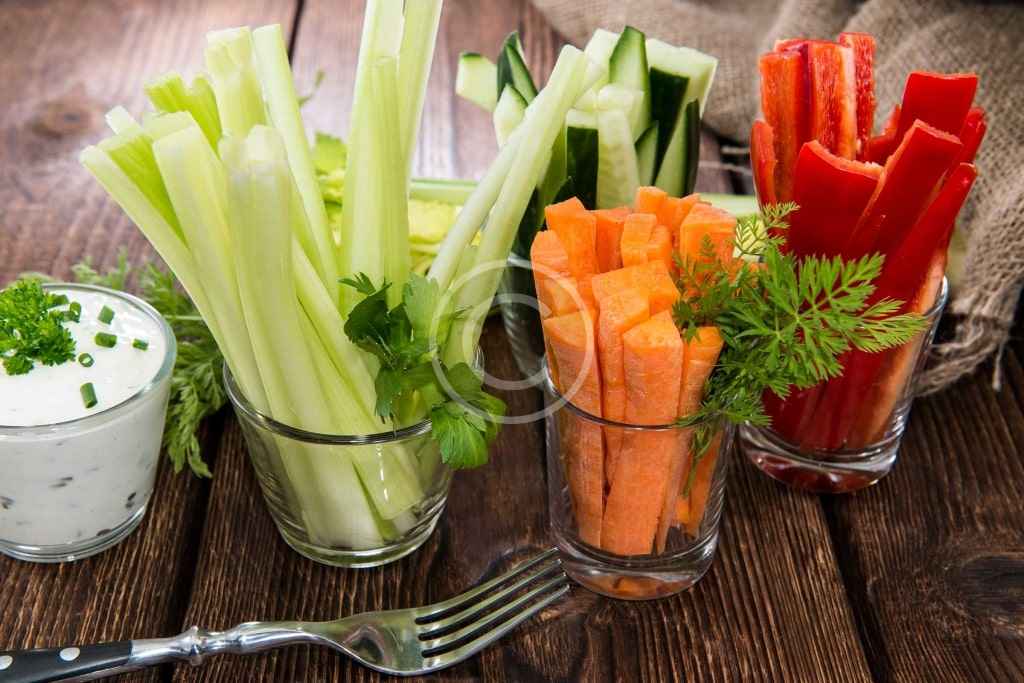
- Include Raw Foods: Incorporating raw foods into your diet can provide a rich source of enzymes, vitamins, and minerals that may be lost during cooking. Add raw vegetables to salads, snack on fresh fruits, and enjoy raw nuts and seeds for a nutrient-packed boost.
- Use Herbs and Spices: Enhance the flavor of your dishes with herbs and spices instead of relying on salt or excessive amounts of sugar. Not only do herbs and spices add depth and complexity to your meals, but they also offer a wide range of health benefits, including anti-inflammatory and antioxidant properties.
- Avoid Overcooking: Be mindful of overcooking your food, as prolonged exposure to heat can destroy heat-sensitive nutrients and enzymes. Aim to cook foods until they are just tender and avoid cooking them to the point of becoming mushy or charred.
- Include Fermented Foods: Incorporate fermented foods like yogurt, kefir, sauerkraut, and kimchi into your diet to support gut health and digestion. Fermented foods are rich in probiotics, beneficial bacteria that promote a healthy balance of gut flora and support immune function.
- Preserve Nutrients with Quick Cooking: For foods that are rich in water-soluble vitamins and minerals, such as broccoli and spinach, opt for quick cooking methods like blanching or stir-frying. These methods help preserve the nutritional integrity of the food while enhancing its flavor and texture.
By incorporating these cooking tips into your culinary repertoire, you can unlock the full potential of the foods you eat and enjoy meals that nourish your body and delight your taste buds. Remember that variety is key, so experiment with different cooking methods and techniques to discover what works best for you and your health goals.