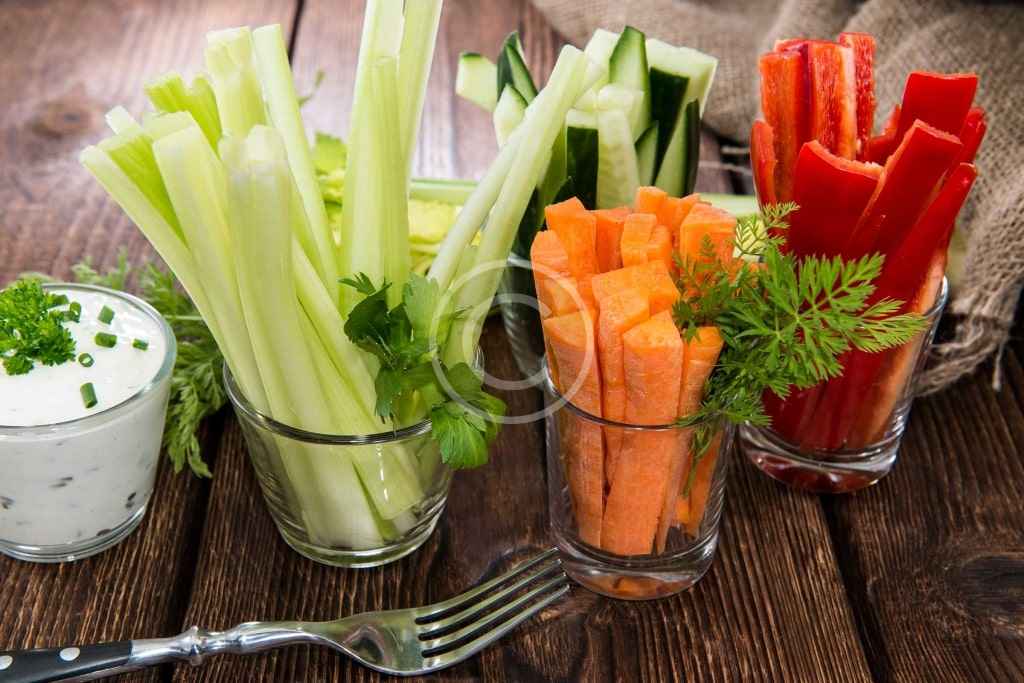
Developing healthy eating habits and improving cooking skills are essential steps toward achieving optimal nutrition and overall well-being. Whether you’re aiming to lose weight, improve athletic performance, or simply enhance your quality of life, understanding the fundamentals of nutrition and mastering cooking techniques can set you on the path to success. Here’s how to learn about the right eating habits and cooking:
- Educate Yourself: Start by educating yourself about the basics of nutrition, including macronutrients (carbohydrates, protein, and fat), micronutrients (vitamins and minerals), and their role in supporting health and performance. Learn about portion sizes, food labels, and how to make balanced meal choices that provide the nutrients your body needs.
- Focus on Whole Foods: Emphasize whole, minimally processed foods in your diet, such as fruits, vegetables, whole grains, lean proteins, and healthy fats. These nutrient-dense foods provide essential vitamins, minerals, fiber, and antioxidants, while minimizing added sugars, salt, and unhealthy fats found in processed and packaged foods.
- Plan and Prep Meals: Take time to plan and prepare your meals in advance to ensure you have healthy options available throughout the week. Create a meal plan that includes a variety of foods from all food groups, and batch cook staples like grains, proteins, and vegetables to streamline meal prep and save time during busy weekdays.
- Experiment with Recipes: Explore new recipes and cooking techniques to keep meals interesting and flavorful. Try incorporating different herbs, spices, and seasonings to enhance the taste of your dishes without adding extra calories or unhealthy ingredients. Get creative in the kitchen and have fun experimenting with new flavors and cuisines.
- Cook at Home: Cooking at home allows you to have more control over the ingredients and cooking methods used in your meals. Aim to cook the majority of your meals at home using fresh, whole ingredients, rather than relying on takeout or convenience foods. Not only is home cooking more nutritious, but it can also be more cost-effective and rewarding.
- Practice Mindful Eating: Practice mindful eating by paying attention to your hunger and fullness cues, savoring each bite, and eating slowly and without distractions. Avoid eating in front of the TV or computer and instead focus on enjoying your meals and the experience of eating. Mindful eating can help prevent overeating, improve digestion, and enhance your appreciation for food.
- Seek Professional Guidance: If you’re unsure about where to start or have specific dietary goals or concerns, consider seeking guidance from a registered dietitian or nutritionist. These professionals can provide personalized nutrition advice, meal plans, and cooking tips tailored to your individual needs and preferences.
By learning about the right eating habits and improving your cooking skills, you can take control of your nutrition and set yourself up for success in achieving your health and wellness goals. Focus on nourishing your body with whole, nutrient-dense foods, and enjoy the process of cooking and experimenting with new flavors and recipes. With time and practice, you’ll develop lifelong habits that support your health and well-being for years to come.