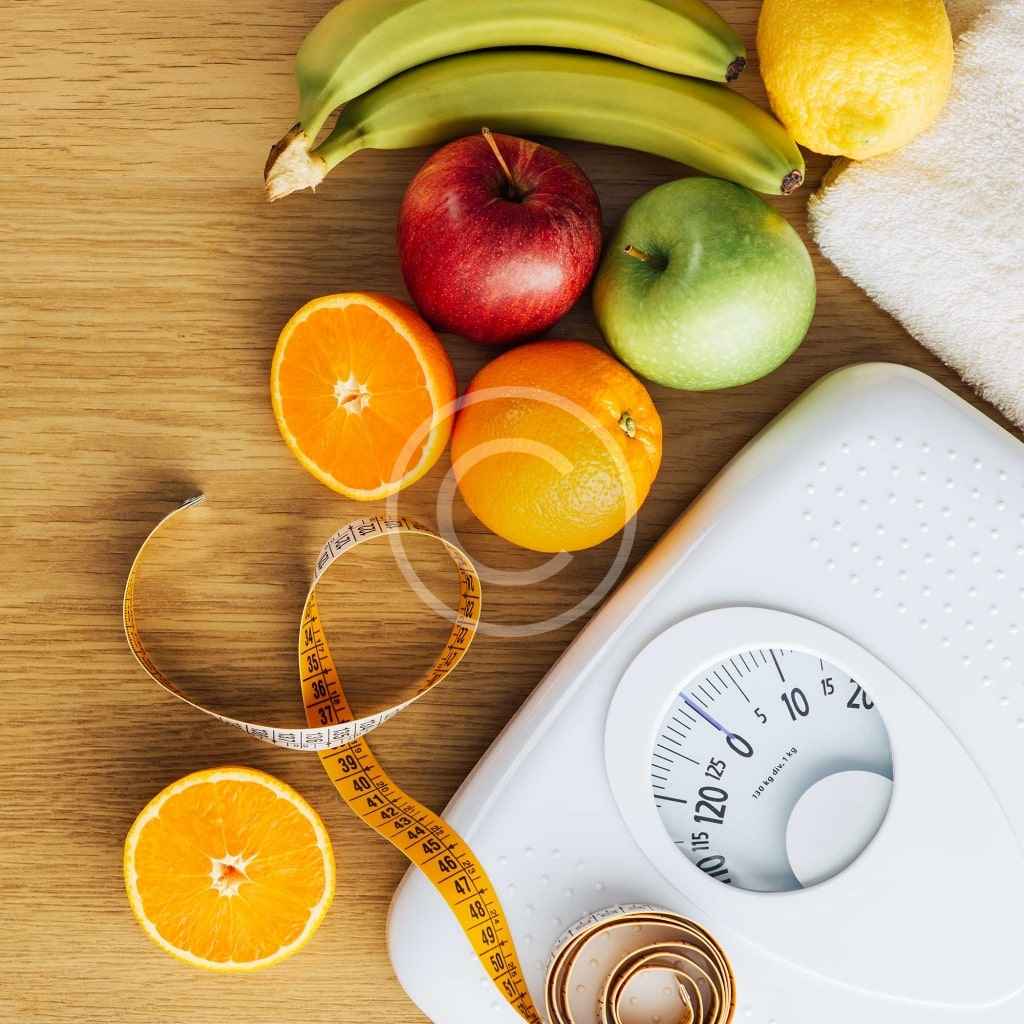
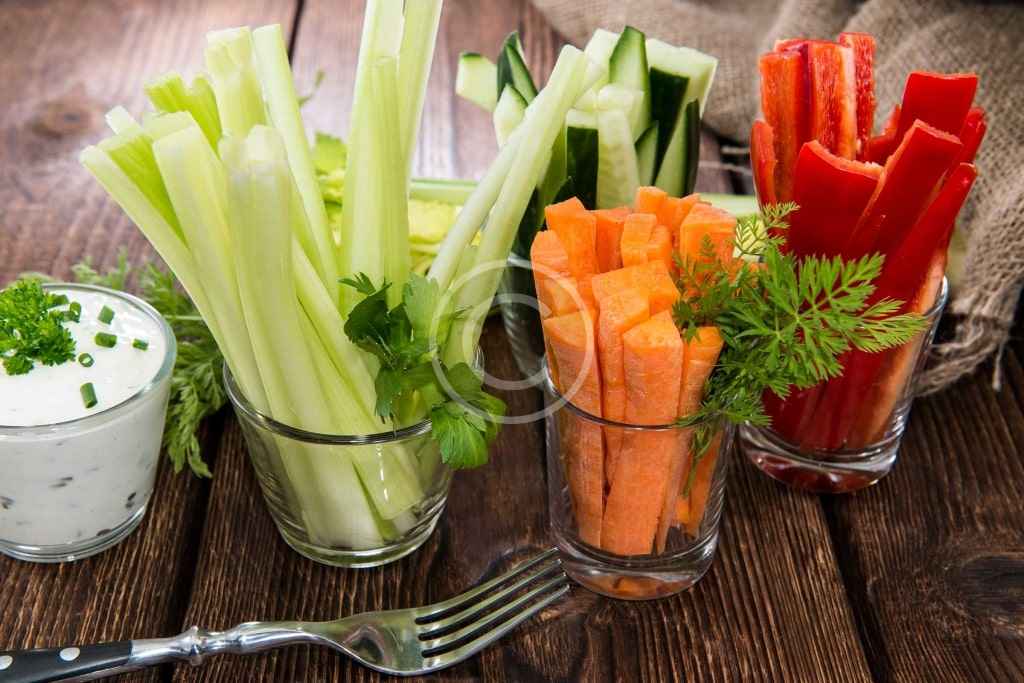
Creating a weekly weight loss meal plan that works involves understanding your eating habits and setting realistic goals. Focus on nutrient-dense foods like whole grains, fruits, and veggies while balancing proteins, fats, and carbs. Practice portion control using techniques like smaller plates and mindful eating. Incorporate meal variety and prep in advance for flexibility. Stay hydrated and track your progress. As you explore, you'll discover more strategies to maintain healthy changes in your lifestyle.
Key Takeaways
- Keep a food diary to track intake and identify patterns.
- Focus on nutrient-dense foods like whole grains, fruits, and vegetables.
- Plan meals with balanced macronutrients to ensure satisfaction.
- Use portion control techniques to manage calorie intake effectively.
- Dedicate time for meal prep and include backup meal ideas.
Assess Your Current Eating Habits
How often do you pause to truly assess your eating habits? Taking the time to do so can make a significant difference in your weight loss journey.
Start by keeping a food diary. It's a simple yet powerful tool that helps you become more aware of what you're eating and when. By jotting down everything you consume, you'll identify patterns and recognize eating triggers that may lead to unhealthy choices.
Are you reaching for snacks when you're bored or stressed? Do certain situations or emotions prompt you to eat more than you intend?
Understanding these triggers is essential. Once you're aware of them, you can develop strategies to manage them better. Incorporating well-planned snacks can help regulate meal portions and maintain energy levels throughout the day.
Set Clear and Achievable Goals
Setting clear and achievable goals is a cornerstone of any successful weight loss journey. Start by visualizing where you want to be and what that success looks like for you. Break it down into smaller, achievable milestones, like aiming to lose 1-2 pounds per week. This keeps your goals realistic and prevents you from feeling overwhelmed. Gradual weight loss of ½ to 1kg per week is considered reasonable and maintainable. When engaging in goal setting, consider your lifestyle and how changes can fit seamlessly into your daily routine. Maybe it's committing to cooking at home five nights a week or adding an extra 15-minute walk to your day. These small steps can lead to big changes, and each milestone reached will boost your confidence.
Choose Nutrient-Dense Foods
When you're planning your meals, focus on choosing nutrient-dense foods like whole grains, fresh fruits, and vibrant veggies. These choices, along with healthy fats from sources like avocados and nuts, give your body the fuel it needs without extra calories. Remember to keep a balance of proteins, fats, and carbohydrates in each meal to support your weight loss journey while keeping you satisfied. Incorporate a variety of healthy foods to reduce the risk of heart disease, type 2 diabetes, and obesity.
Prioritize Whole Food Choices
Although it might seem intimidating at first, prioritizing whole food choices is key to achieving sustainable weight loss. By focusing on whole foods, you're choosing nutrient-dense options that fuel your body efficiently.
Embrace seasonal ingredients, as they're not only fresher and tastier but often more affordable. Timing your nutrients can also be beneficial; for instance, consuming protein and healthy carbs post-workout can aid recovery and energy replenishment.
Here's a simple way to start:
- Fresh Vegetables: Think leafy greens, carrots, and bell peppers that are vibrant and packed with nutrients.
- Whole Grains: Opt for quinoa, brown rice, or oats to keep you full longer.
- Lean Proteins: Choose chicken, fish, or legumes for balanced meals.
Focus on Healthy Fats
Healthy fats play an essential role in your weight loss journey, and incorporating them into your diet doesn't have to be intimidating. Embrace foods like avocados, rich in heart-healthy monounsaturated fats. They not only enhance flavor but also keep you satisfied longer, curbing unnecessary snacking. Omega sources, like flaxseeds and walnuts, are excellent for boosting metabolism and supporting overall health.
Here's a quick guide to enriching your meals with healthy fats:
| Food | Type of Fat | Benefits |
|---|---|---|
| Avocado | Monounsaturated | Satiety, heart health |
| Flaxseeds | Omega-3 | Metabolism, anti-inflammatory |
| Walnuts | Omega-3 | Brain health, metabolism |
Incorporate these nutrient-dense foods into your meals, and you'll find yourself on a more satisfying and sustainable path to weight loss.
Balance Macronutrient Intake
Balancing your macronutrient intake is the next key step on your weight loss journey, building upon the foundation of healthy fats.
By choosing nutrient-dense foods, you can effectively use carb cycling and meal timing to your advantage. Carb cycling involves alternating high-carb and low-carb days, which helps maintain energy while promoting fat loss.
Pay attention to meal timing to guarantee you're eating the right nutrients when your body needs them most, like post-workout.
Here's how you can incorporate these strategies:
- High-carb day: Sweet potatoes, quinoa, and whole grains.
- Low-carb day: Leafy greens, lean proteins, and healthy fats.
- Ideal meal timing: Have protein and carbs after workouts for recovery.
Balance Your Macronutrients
To effectively balance your macronutrients, focus on incorporating protein-rich meal choices like lean meats, beans, or tofu into your diet. Don't forget to include healthy fats, such as avocados or nuts, to keep your meals satisfying and nourishing. Additionally, consider incorporating more plant-based foods into your diet, as they are associated with numerous health benefits, including cardiovascular disease prevention and weight reduction.
Protein-Rich Meal Choices
When you're crafting your meal plan for weight loss, don't underestimate the power of protein-rich choices. Protein helps keep you full and satisfied, making it easier to stick to your goals.
Start by incorporating plenty of lean protein sources into your meals. Think of chicken breast, turkey, and fish as your go-to options.
But don't stop there—high protein snacks can also be your secret weapon for staying on track. Consider including:
- Greek yogurt with a sprinkle of nuts for an easy, satisfying snack.
- Hard-boiled eggs that are convenient and packed with nutrients.
- Cottage cheese with berries, offering a delightful mix of flavors and protein.
Healthy Fats Inclusion
While protein is key to keeping you satisfied, don't overlook the importance of healthy fats in your meal plan. Including healthy fats can boost your energy, support cell growth, and enhance nutrient absorption. Avocado benefits are plentiful—rich in heart-healthy monounsaturated fats, they can improve cholesterol levels. Nuts also offer a wide range of advantages; explore nut varieties like almonds, walnuts, and pistachios for added fiber and protein.
Here's a quick table to guide your healthy fat choices:
| Food | Benefits | Serving Suggestion |
|---|---|---|
| Avocado | Heart health, satiety | Half an avocado per meal |
| Almonds | Protein, vitamin E | 1 ounce (about 23 nuts) |
| Walnuts | Omega-3s, brain health | 1 ounce (about 14 halves) |
| Pistachios | Fiber, antioxidants | 1 ounce (about 49 nuts) |
Incorporate these into your meals for a balanced macronutrient approach.
Plan for Portion Control
Understanding portion control is a key strategy in your weight loss journey, as it helps you manage calorie intake without sacrificing satisfaction. By focusing on portion sizes and practicing mindful eating, you'll find that you can enjoy a variety of foods while still reaching your goals.
Start by using smaller plates to naturally limit how much you serve yourself. This simple change can make a significant difference in how full you feel without overeating.
Here's how you can begin:
- Measure with Your Hands: Use your palm to gauge protein portions, a fist for carbs, and a cupped hand for vegetables.
- Slow Down: Eat slowly and savor each bite, allowing your body time to signal when it's full.
- Keep a Food Journal: Track what and how much you eat to raise awareness and improve your habits.
Incorporating mindful eating, which involves paying attention to the experience of eating, can further enhance your portion control efforts and aid in recognizing your body's hunger and fullness cues.
Incorporate Variety and Flexibility
Although a structured meal plan can guide you, embracing variety and flexibility will make your weight loss journey more enjoyable and sustainable.
By introducing meal variety, you'll keep your taste buds excited and prevent boredom from setting in. Try experimenting with different cuisines, flavors, and textures—spice up your salad with a new dressing or swap chicken for tofu in your stir-fry. This approach not only makes meals more interesting but also guarantees a broad range of nutrients.
Flexible options are your friend. Life can be unpredictable, so having a list of backup meal ideas allows you to adapt without stress. Incorporating mindful eating techniques can further enhance your experience by promoting awareness of hunger cues and reducing emotional eating.
Got a busy day? Opt for a quick veggie wrap or smoothie. Craving something sweet? A piece of fruit or yogurt can satisfy you without derailing your progress.
Prepare and Cook in Advance
To keep the journey enjoyable and stress-free, planning ahead can be your best ally. Meal prep and batch cooking are the secret weapons in your weight loss arsenal. By dedicating a few hours each week to prepare meals in advance, you guarantee that nutritious options are always within reach. This not only saves you time during busy days but also helps you stay committed to your goals. Understanding the energy balance is crucial for effective weight management, ensuring that your energy intake aligns with your expenditure. Imagine opening your fridge and seeing:
- Neatly packed containers of colorful salads and grilled veggies.
- Hearty soups and stews simmered to perfection, ready to warm you up.
- Pre-portioned servings of protein like chicken or tofu, seasoned just right.
Batch cooking lets you mix and match, creating variety without extra effort. You'll avoid the temptation of last-minute takeout, and you'll find joy in knowing you've set yourself up for success. Embrace this method, and watch your progress unfold.
Stay Hydrated and Mindful of Beverages
Staying hydrated is one of the simplest yet most impactful steps you can take on your weight loss journey. Drinking enough water helps control your appetite, boosts metabolism, and improves digestion. Start your day with a glass of water, and keep a reusable bottle handy to guarantee you're sipping throughout the day. This easy hydration strategy keeps you on track without much effort. But don't just focus on water—be mindful of what you're drinking. Sugary drinks and high-calorie beverages can sneak in extra calories without you realizing it. Opt for unsweetened tea or black coffee, and limit those sugary sodas and juices. When you're mindful of your drinking habits, you'll make better choices that support your goals. Additionally, incorporating foods rich in soluble fiber can further aid in digestion and help lower blood cholesterol levels, enhancing your weight loss efforts.
Track Your Progress and Adjust as Needed
As you sip on your revitalizing beverage choices, it's equally important to keep an eye on your progress to stay motivated and informed on your weight loss journey.
Progress tracking lets you see how far you've come and identifies areas needing a tweak. Contemplate using a journal, app, or a simple chart to track your meals, workouts, and weight changes.
Here are some adjustment strategies to contemplate if you're not seeing the results you'd like:
- Re-evaluate portion sizes: Sometimes, just a small change in portions can make a big difference.
- Switch up your meals: If you're hitting a plateau, it might be time to introduce new, nutritious foods.
- Increase activity level: Adding a few extra minutes to your daily exercise can boost your progress.
Remember that regular physical activity not only aids in weight loss but also contributes to overall health benefits, such as reducing high blood pressure and high blood glucose levels.
Tracking your progress and making thoughtful adjustments will keep your journey dynamic and effective.
Frequently Asked Questions
What Are Some Budget-Friendly Options for a Weight Loss Meal Plan?
You can choose budget meals by focusing on cost-effective ingredients like beans, lentils, oats, and seasonal vegetables. Planning meals around these staples helps you save money while still fueling your weight loss journey. You've got this!
How Do I Handle Dining Out While Sticking to My Meal Plan?
When dining out, choose restaurants with healthy options. Practice portion control by sharing meals or taking leftovers home. Look for grilled, steamed, or baked dishes. Remember, you're in control; enjoy the experience without guilt.
Can I Include Occasional Cheat Meals in My Weight Loss Plan?
Sure, because who doesn't love a little irony in their diet plan? Including cheat meals can actually boost your metabolism and motivation. Strategize wisely: plan cheat meal benefits around social events or cravings for maximum enjoyment and minimal guilt.
What Are Some Snack Options That Won't Derail My Weight Loss Efforts?
You can enjoy healthy snacks like apple slices with almond butter or Greek yogurt with berries. Just remember portion control is key. You're doing great and these snacks will keep you on track with your goals!
How Can I Maintain Motivation Throughout My Weight Loss Journey?
Keep your eye on the prize by setting clear goals and building a strong support system. Celebrate small victories to fuel motivation. Surround yourself with positive influences who'll cheer you on, and remember, you're capable of amazing progress!
Conclusion
You've set your goals, chosen your foods, and planned your meals. But here's the twist: the real magic happens when you stick to it, listen to your body, and adapt as needed. Imagine the moment when you step on the scale and see progress—it's within reach! Stay flexible, be kind to yourself, and remember, this journey is about more than just numbers. You're crafting a healthier, happier you. Ready for the surprise of success? It's coming!