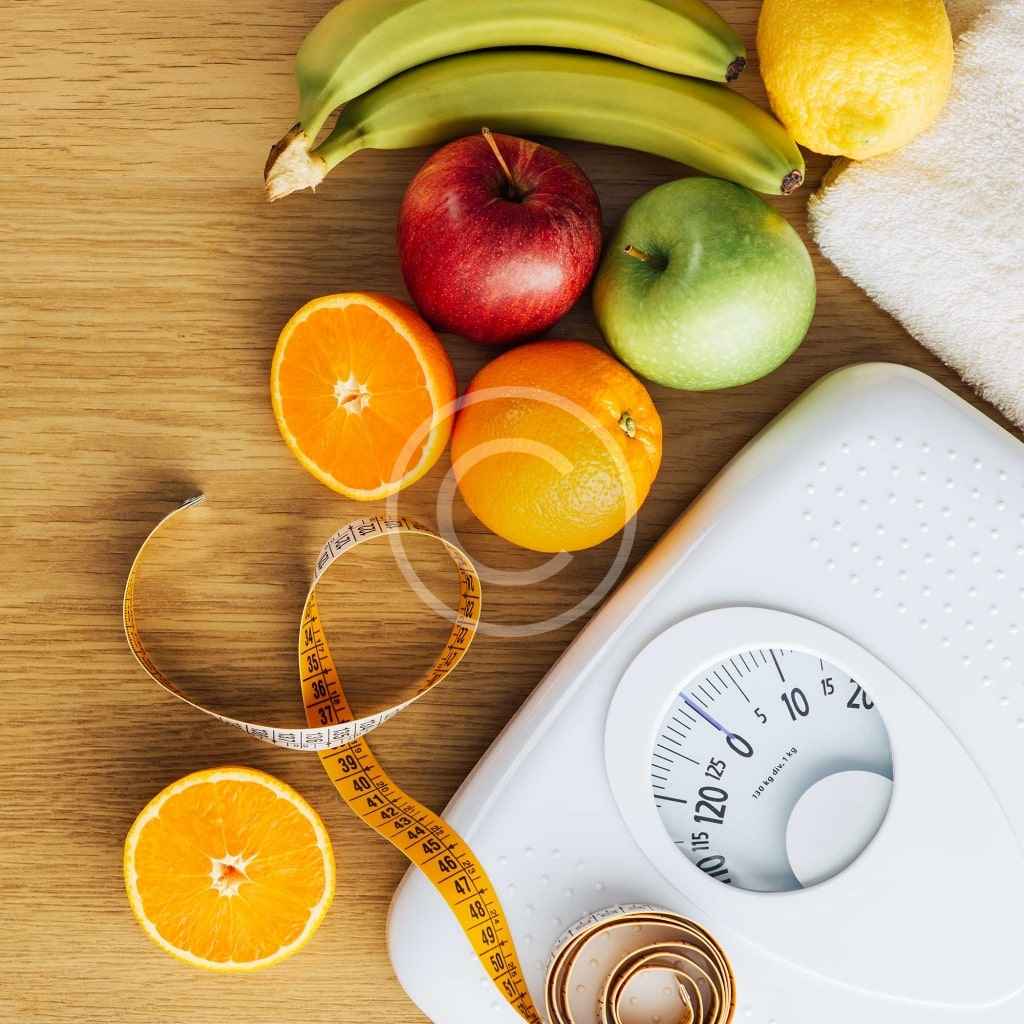
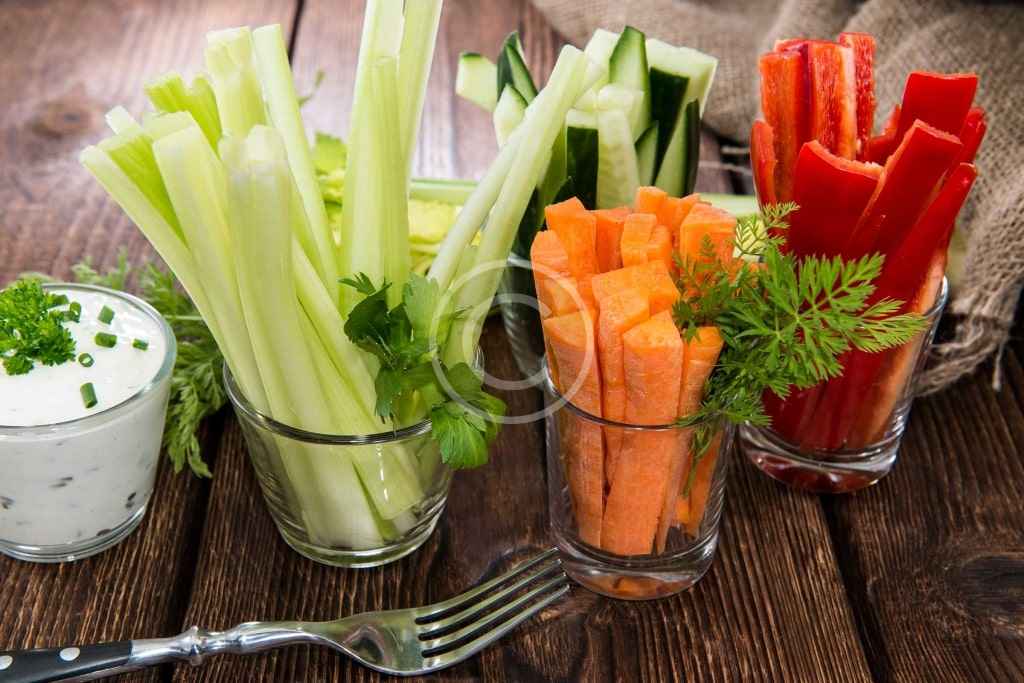
Imagine your weight loss journey as a garden, and fiber as the essential sunlight that nurtures growth. You've probably heard about its benefits, but have you truly explored its power in controlling hunger and cravings? By integrating fiber-rich foods like vibrant fruits, hearty vegetables, and wholesome grains, you'll find yourself feeling fuller for longer. Curious about how this magical nutrient supports not just weight loss, but overall well-being? Let's explore further.
Key Takeaways
- Fiber-rich foods help control appetite by regulating hunger hormones and prolonging feelings of fullness.
- Soluble fiber maintains steady blood sugar levels, aiding in energy stabilization and reducing cravings.
- Consistent fiber intake supports digestive health and promotes regular bowel movements.
- Soluble fiber can lower cholesterol levels by binding with and removing it from the bloodstream.
- Incorporating fiber encourages healthier food choices, making weight loss more sustainable.
Understanding the Role of Fiber in Weight Loss
When you start a weight loss journey, it's easy to overlook the essential role fiber plays in achieving your goals. Fiber mightn't be the most glamorous part of your diet, but it's a true unsung hero.
There are two main fiber types: soluble and insoluble. Soluble fiber, found in oats, beans, and apples, dissolves in water and can help maintain steady blood sugar levels. Insoluble fiber, present in whole grains, nuts, and vegetables, adds bulk to your stool, promoting digestive health.
Finding the right fiber sources isn't difficult. Imagine swapping your usual breakfast cereal for oatmeal topped with fresh fruit.
Or, picture a hearty salad for lunch, rich in colorful veggies and sprinkled with seeds. These small changes can make a significant difference in your health journey.
Embrace fiber as your silent partner, and you'll discover it's a key component in sustainable weight loss.
How Fiber Aids in Appetite Control
You've learned how fiber supports your weight loss journey, but its benefits extend even further by helping you manage your appetite.
Envision this: you've just finished a hearty, fiber-rich salad, and instead of feeling the urge to reach for a snack, you feel satisfied and content. That's fiber at work, helping regulate your hunger hormones and sending those all-important satiety signals to your brain, telling you it's time to put the fork down.
Fiber's magic lies in its ability to slow digestion, keeping you fuller for longer and reducing sudden hunger pangs.
Imagine starting your day with a bowl of oatmeal. It's a simple way to keep your energy levels steady, so you're not tempted by the vending machine mid-morning.
Incorporating fiber into meals helps you stay in control, making healthier choices more naturally. By embracing fiber, you're giving yourself a powerful tool in achieving lasting weight loss success.
Fiber and Its Impact on Digestion and Gut Health
Imagine your gut as a bustling city, with fiber acting like the efficient traffic manager keeping everything moving smoothly.
It encourages regular bowel movements, helping you feel lighter and more comfortable.
Plus, fiber feeds the good bacteria in your gut, which is like giving your city's friendly residents the nourishment they need to thrive and keep everything in harmony.
Promoting Healthy Bowel Movements
Although maintaining a healthy diet can sometimes feel like a challenge, incorporating fiber-rich foods into your meals is a simple way to support digestion and promote gut health.
By adding more fiber, you'll experience regularity benefits, leading to more consistent and predictable bowel movements. This can make your mornings a little less rushed and your afternoons a bit more comfortable. Think of it as a natural way to enhance digestive comfort without relying on quick fixes or supplements.
Imagine enjoying a hearty bowl of oatmeal or a crunchy apple as part of your daily routine. These small changes can make a big difference.
Fiber acts like a gentle broom, sweeping through your intestines, keeping everything moving smoothly. Embrace these fiber-rich choices for a happier, healthier gut!
Supporting Beneficial Gut Bacteria
When you include fiber-rich foods in your diet, you're not just aiding digestion but also nurturing the beneficial bacteria in your gut. Think of fiber as a nourishing friend to your gut microbiome. Foods like oats, bananas, and garlic offer prebiotic benefits, feeding the good bacteria that help balance your digestive system.
Imagine your gut as a thriving community garden. Just like plants need sunlight and water, your gut bacteria need fiber to flourish. By enjoying a fiber-rich meal, you're fundamentally giving your gut's 'garden' the boost it needs to thrive.
This can lead to improved digestion, better mood, and even weight management. So, next time you pick your meals, remember that your gut's little helpers are counting on you!
The Connection Between Fiber and Blood Sugar Stability
For anyone seeking to maintain stable blood sugar levels, incorporating fiber into your diet is a powerful tool. Different fiber types, such as soluble and insoluble fiber, play unique roles in managing how your body handles sugar.
Soluble fiber, found in foods like oats and apples, slows down digestion. This gradual process helps prevent those pesky blood sugar spikes that often leave you feeling tired or hungry shortly after meals.
Imagine eating a bowl of oatmeal in the morning. As the soluble fiber works its magic, your blood sugar levels remain more stable, providing sustained energy throughout the day.
On the other hand, insoluble fiber, present in whole grains and vegetables, aids in digestion and promotes a healthy gut, which indirectly supports blood sugar management.
How Fiber Contributes to Lower Cholesterol Levels
Just as fiber is a friend to your blood sugar stability, it also plays a significant role in managing cholesterol levels. When you include fiber in your diet, you're taking essential steps toward cholesterol reduction.
Think of soluble fiber as a sponge that soaks up cholesterol in your digestive system. Here's how it helps:
- Binds with cholesterol: Soluble fiber binds with cholesterol particles, helping remove them before they enter your bloodstream.
- Promotes healthy gut bacteria: Fiber sources like oats and beans nourish beneficial gut bacteria, which can further lower cholesterol.
- Reduces liver cholesterol production: Fiber can signal your liver to produce less cholesterol, naturally reducing levels.
Picture enjoying a warm bowl of oatmeal or a hearty bean soup, knowing they're working magic behind the scenes.
Top Fiber-Rich Foods to Incorporate Into Your Diet
If you're looking to boost your fiber intake, integrating a variety of fiber-rich foods into your diet is a delicious and rewarding way to nurture your body.
These fiber sources offer numerous fiber benefits, including improved digestion and sustained fullness, making them essential for weight loss. Start your day with a hearty bowl of oatmeal, topped with fresh berries. Not only does it taste fantastic, but it also keeps you full until lunch.
Incorporate legumes, like lentils and chickpeas, into your meals. They're versatile and can be added to soups, salads, or even made into a tasty hummus.
Don't forget about whole grains, such as quinoa and brown rice, which seamlessly complement any dish.
And for snacks, grab a handful of almonds or an apple. These small choices add up, helping you reach your fiber goals while keeping your meals satisfying and varied.
Conclusion
Incorporating fiber into your diet isn't just beneficial—it's a brilliant boost to your weight loss journey. By choosing chewy chickpeas over chips, or savoring sweet strawberries instead of sweets, you'll find yourself feeling fuller and more fulfilled. Fiber fuels your fight against cravings, fosters a flourishing gut, and fortifies your health. So, sprinkle some seeds, grab those greens, and make fiber your faithful friend on this fulfilling path to wellness. You've got this!