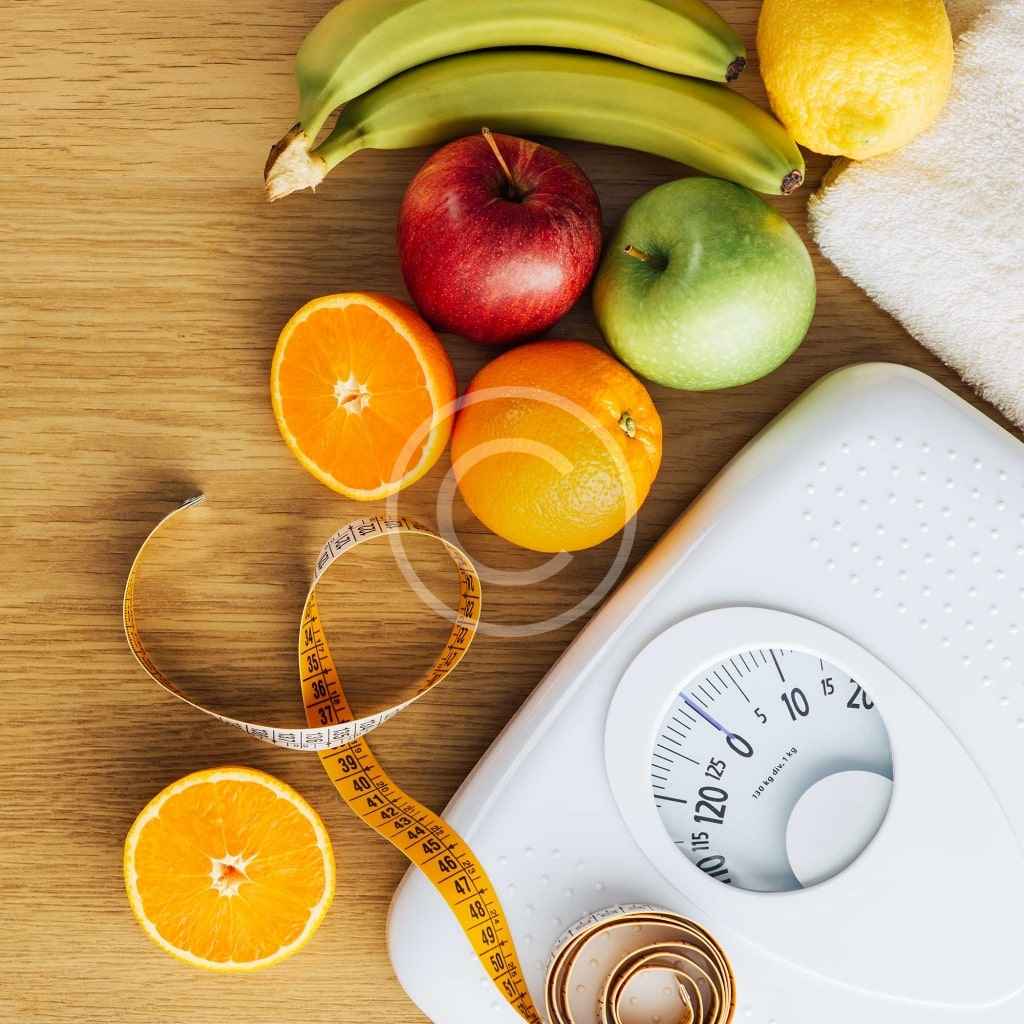
Weight loss for women can feel like steering through a maze, with obstacles at every turn. It's important to understand that what works for one person might not work for another. Sustainable changes are key to making progress, but many still chase quick fixes that often lead to frustration. So, what truly makes a difference on this journey? Let's explore the essential strategies that can lead you to lasting success.
Key Takeaways
- Understanding individual body composition and metabolic rates is crucial for effective weight loss strategies for women.
- A balanced diet focusing on macronutrient quality and portion control supports sustainable weight management.
- Combining strength training with cardio exercises provides optimal results and prevents workout monotony.
- Maintaining a positive mindset and setting realistic, flexible goals can help overcome mental barriers in the weight loss journey.
- Seeking community support enhances motivation and accountability, making the weight loss process more enjoyable and effective.
Understanding the Female Body and Weight Loss
When it comes to weight loss, understanding your unique body is essential. Each woman's body composition and metabolic rate differ, affecting how you lose weight. Your body composition, which includes muscle and fat ratios, plays a significant role in your weight loss journey. More muscle means a higher metabolic rate, allowing you to burn more calories even at rest.
Take time to learn about your body's specific needs and responses. Notice how different exercises and routines impact your energy levels and results.
It's not just about the number on the scale; it's about feeling strong and healthy. Remember, what works for someone else mightn't work for you, and that's perfectly okay. Celebrate your progress, no matter how small, and focus on creating habits that support your goals.
Your journey is unique, and understanding your body will empower you to make informed choices.
The Role of Nutrition in Weight Management
Nutrition plays an essential role in your weight management journey, as the foods you choose directly impact your energy levels and overall health. To achieve a balanced approach, focus on these key strategies:
- Macronutrient balance: Include proteins, fats, and carbohydrates in every meal.
- Portion control: Be mindful of serving sizes to avoid overeating.
- Meal timing: Plan your meals to maintain steady energy levels throughout the day.
- Hydration strategies: Drink plenty of water to support metabolism and curb hunger.
- Mindful eating: Pay attention to your hunger cues and enjoy your meals without distractions.
Additionally, consider incorporating food journaling to track your meals and identify patterns, especially if emotional eating becomes a challenge.
By prioritizing nutrient density, you'll fuel your body with wholesome foods, making your weight management journey more enjoyable and sustainable.
Effective Exercise Regimens for Women
Are you ready to discover how to make exercise a fun and effective part of your weight loss journey? Combining strength training and cardio workouts is key! Strength training helps build muscle, which boosts your metabolism, while cardio workouts improve heart health and burn calories. Here's a simple weekly plan to get you started:
| Day | Strength Training | Cardio Workouts |
|---|---|---|
| Monday | Upper body (weights) | 30 min brisk walk |
| Wednesday | Lower body (bodyweight) | 20 min cycling |
| Friday | Full body (resistance bands) | 30 min jogging |
| Sunday | Active recovery (yoga) | 45 min dancing |
Mixing up your routine keeps it exciting and prevents boredom. Remember, consistency is key; choose activities you enjoy and celebrate your progress. You've got this!
Debunking Popular Diet Myths
Finding the right exercise routine is just one piece of the puzzle in your weight loss journey; understanding what to eat is equally important. There are many diet myths that can steer you off course. Let's set the record straight!
- Intermittent fasting isn't for everyone; listen to your body.
- Detox diets often lack scientific backing and can be harmful.
- Low carb myths suggest carbs are the enemy, but healthy carbs can fuel your workouts.
- Calorie counting isn't the only way to lose weight; focus on food quality too.
- Remember, sustainable changes work better than quick fixes.
Stay informed and be cautious of trends that promise quick results. It's all about balance and finding what works for you.
Embrace a healthy, varied diet, and you'll set yourself up for success!
The Importance of Mindset in Weight Loss
While you focus on the physical aspects of weight loss, don't underestimate the power of your mindset. Mindset shifts can transform your journey, helping you overcome mental blocks that stand in your way.
By practicing positive affirmations daily, you reinforce your belief systems and cultivate emotional resilience. Remember, self-compassion is key; it's okay to stumble—what matters is how you get back up.
Visualization techniques can be powerful too. Picture your goals clearly, and let that image fuel your motivation strategies.
When you face challenges, remind yourself of your strengths and the progress you've already made. Embracing a growth mindset allows you to see setbacks as opportunities for learning.
Incorporating these mindset tools into your routine won't only support your weight loss efforts but also foster a healthier relationship with yourself.
You've got this!
The Impact of Hormones on Weight Fluctuations
You mightn't realize just how much your hormones can influence your weight.
Changes throughout your menstrual cycle, as well as stress levels, can affect your appetite and overall weight management.
Understanding these hormonal impacts can empower you to make better choices on your journey to wellness.
Hormonal Changes and Weight
Hormonal changes can greatly influence weight fluctuations, and understanding this connection is key to achieving your weight loss goals. Factors like hormonal imbalance can affect your estrogen levels and progesterone fluctuations, making it harder to maintain a healthy weight.
Poor thyroid function can slow down metabolism, while changes in insulin sensitivity can lead to unwanted weight gain. Additionally, cortisol effects during stressful times can make you crave unhealthy foods. It's crucial to recognize how these elements impact your journey.
- Track your menstrual cycle for patterns.
- Monitor stress levels and practice self-care.
- Consult a healthcare professional for hormone testing.
- Focus on balanced nutrition to support hormone health.
- Stay active to boost metabolism and mood.
You've got this!
Menstrual Cycle Effects
Understanding the menstrual cycle's impact on weight fluctuations can empower you to make informed choices throughout the month. Each menstrual phase brings hormonal shifts that can affect weight retention and appetite changes.
By practicing cycle syncing, you can tailor your exercise timing and nutrition to align with these phases, enhancing your motivation and results. For instance, during the follicular phase, you might feel more energetic, making it a great time for intense workouts.
However, in the luteal phase, you may experience emotional eating due to hormonal changes. By embracing fertility awareness, you can better navigate these fluctuations, allowing you to maintain a balanced approach to weight loss and overall well-being.
Stress Hormones and Appetite
When stress levels rise, your body reacts by releasing hormones like cortisol, which can greatly influence your appetite and weight. Elevated cortisol can lead to cravings for unhealthy foods and encourage weight gain, especially around your midsection.
Prioritizing stress management is essential for achieving hormonal balance and maintaining a healthy weight.
Consider these points:
- Stress can trigger emotional eating.
- Cortisol may increase hunger signals.
- A balanced diet helps combat stress.
- Regular exercise reduces cortisol levels.
- Mindfulness practices can stabilize your mood.
Sustainable Lifestyle Changes vs. Quick Fixes
While it might be tempting to chase after quick fixes for weight loss, focusing on sustainable lifestyle changes is far more rewarding in the long run. Quick solutions may promise immediate results, but they often lead to temporary fixes that don't stick.
Instead, you can cultivate sustainable habits that support your health and well-being. By making thoughtful lifestyle choices, you set yourself up for long-term success.
Think about incorporating small, permanent changes into your daily routine—like swapping sugary snacks for fruits or finding enjoyable ways to stay active. These adjustments create a solid foundation for lasting change, rather than a rollercoaster of weight fluctuations.
Tracking Progress and Setting Realistic Goals
Setting realistic goals and tracking your progress are key components of any successful weight loss journey. By setting achievable targets and monitoring your progress, you'll stay motivated and focused.
Here are some effective strategies to help you along the way:
- Define specific, measurable goals (like losing 1-2 pounds a week)
- Use a journal or app for daily progress tracking
- Celebrate small milestones to boost your motivation
- Adjust your goals as needed based on your progress
- Share your goals with a supportive community or a friend
Conclusion
As you commence your weight loss journey, remember that every step counts. Isn't it empowering to visualize a healthier, happier you? Focus on nourishing your body, staying active, and cultivating a positive mindset. Embrace sustainable changes that fit your lifestyle, and don't forget to celebrate your milestones along the way. With patience and dedication, you'll not only reach your goals but also discover a more vibrant version of yourself. You've got this!