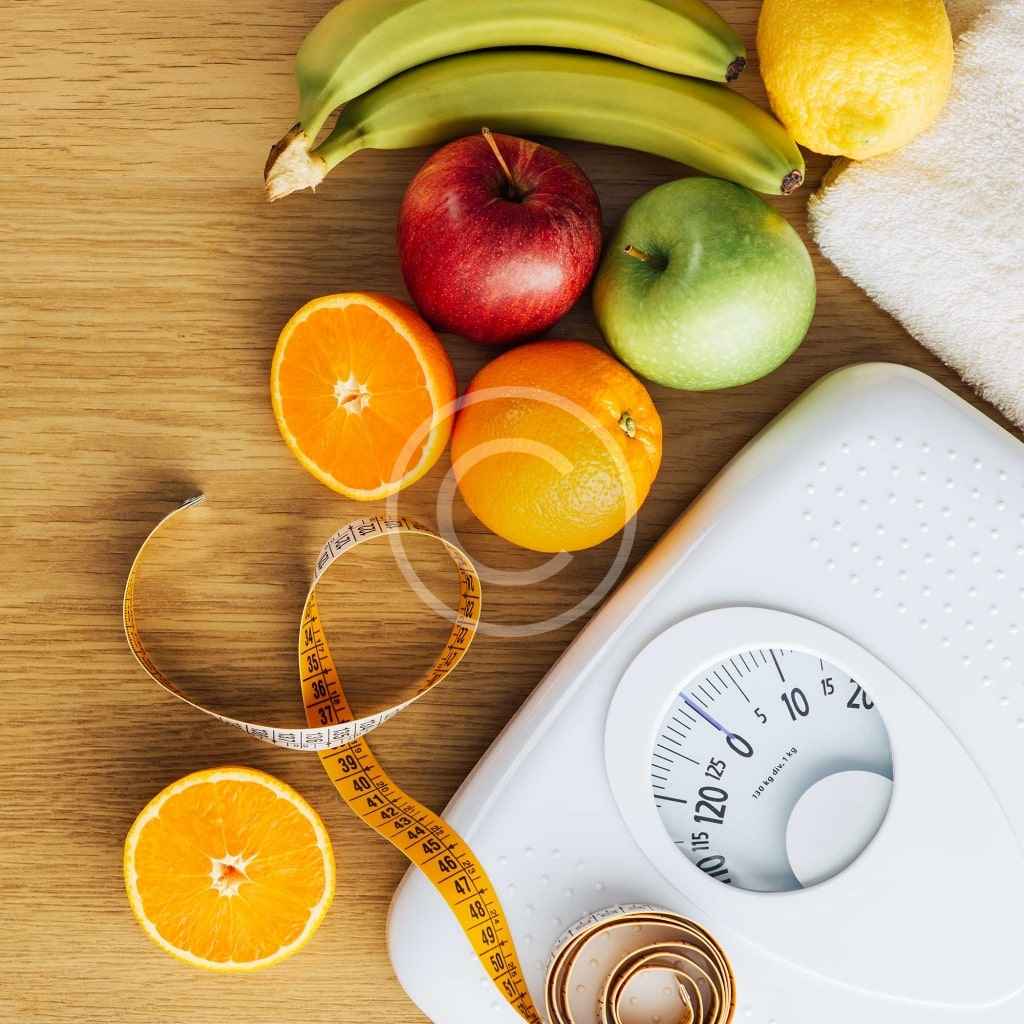
Portion control is an integral component of healthy eating and weight management, enabling individuals to eat all types of foods within moderation without exceeding recommended calorie limits.
One effective strategy is using smaller plates and bowls that create the appearance of larger portions, encouraging a healthier diet. Other measures include reading food labels and measuring portions using tools such as cups and spoons.
Eat Smaller Meals
Eating more frequently has been shown to aid long-term weight loss. This approach provides an effective means of fulfilling nutritional needs while remaining full throughout the day, ultimately creating a calorie deficit and supporting long-term weight loss.
Eating smaller meals doesn’t just involve cutting back on quantity; it also involves making healthier food choices. By eating more vegetables and lean protein while managing portion control for higher-calorie treats like desserts, chips, and candy you can achieve healthy eating patterns without feeling restricted or hungry.
While there are numerous tools and strategies available to support portion control, it is essential to recognize that solely focusing on cutting back calories could lead to nutritional deficiencies if combined with other healthy eating practices. To maximize the positive benefits of eating smaller meals, individuals should strive to consume more whole grains, fresh fruits and vegetables while cutting down on unhealthy fats and salt consumption.
Understanding portion sizes requires visual cues and mindful eating practices. One helpful trick is comparing food portions with everyday items like your hand or ping-pong ball for comparison. Other tools designed to measure food such as digital scales, measuring cups and spoons or simply using your hands may also assist with estimation.
Eat More Vegetables
Vegetable-rich diets are essential to weight management. Vegetables provide essential fiber and vitamin A, C and K. Unfortunately, it can be challenging for some to incorporate vegetables into their daily meals due to price concerns or preparation time; plus some might go bad quickly before being consumed; which might discourage regular vegetable consumption.
Increased vegetable intake may be easier than you think. Many vegetables are naturally low-cal, so you can fill up without overeating. Furthermore, numerous studies demonstrate that those who eat more vegetables experience reduced hunger compared to those who consume fewer.
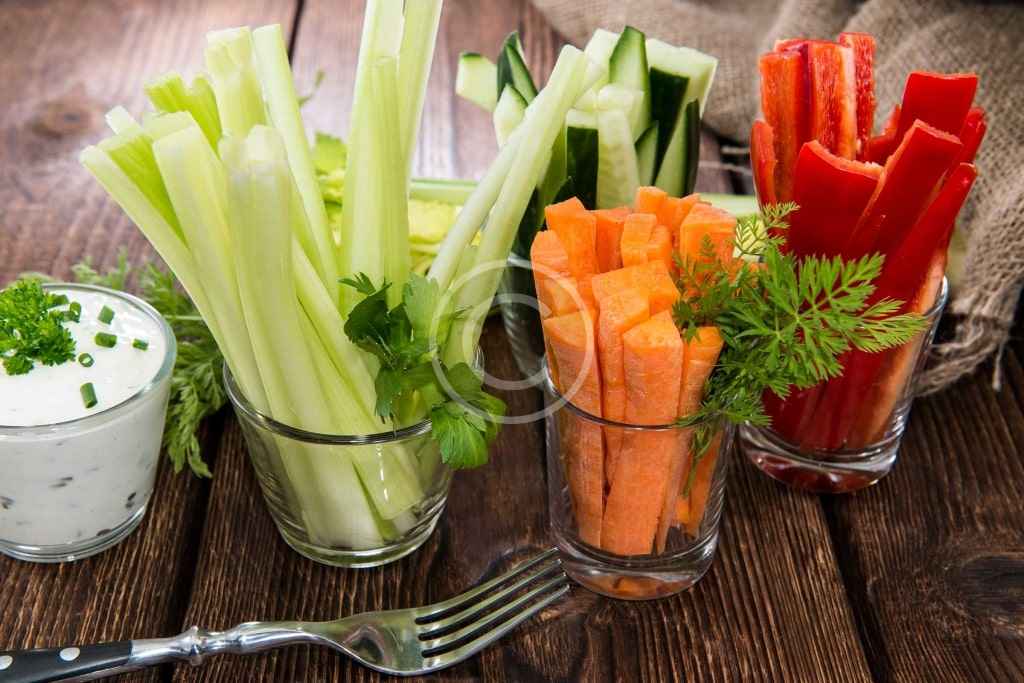
Make it fun and exciting by adding veggie crudites or soup to your lunch or setting an overall goal of eating one more veggie per day than before! If this seems overwhelming, start small by setting a daily goal to increase vegetable consumption by one portion each time!
If you prefer not using measuring tools, food labels and visual cues can help gauge portion sizes accurately. For instance, one medium pepper or half a cup of cooked carrots would count as approximately one vegetable serving.
Eat More Lean Protein
People trying to lose weight may think they need to eat less protein in order to lose weight, but Brittney Bearden of Texas Health Sports Medicine advises against this belief. Protein may have gained an unfavorable reputation after Atkins popularized his diet; however, protein remains an integral component of a balanced meal and must be eaten to achieve optimal health.
A high-protein diet helps individuals feel full for longer, which can assist in portion control efforts and curb food cravings by suppressing production of ghrelin (also known as “hunger hormone”).
One strategy to promote a high-protein diet is by using plates or bowls designed specifically for portion control. These items tend to be smaller than traditional dining ware, which can help your brain trick itself into feeling satisfied more quickly. In addition, individuals can invest in measuring cups to gauge serving sizes more precisely.
As an additional way of controlling caloric intake, preportioned foods – entrees, snack foods or liquid meals – may also help. These packaged meals come with specific portions designed for consumption at various eating occasions throughout the day.
Individuals should refrain from snacking between meals as this habit may unintentionally consume additional calories. Instead, individuals should plan out what meals and snacks they’ll eat throughout the day with detailed portions sizes in mind to ensure they consume an appropriate number of calories that promote a sustainable lifestyle rather than short-term dieting strategies.
Eat More Complex Carbohydrates
Carbs provide energy for our brain, muscles and organs while playing an essential part in digestion. You may have noticed that when carbohydrates are lacking from your diet, both mental and physical performance suffers as your mental clarity decreases with moodiness and fatigue becoming apparent. Carbs should make up at least 50% of daily calorie consumption – the best ones being complex carbs which take longer to digest without producing sudden spikes in blood sugar like those found in added sugars or refined white flour products; furthermore they’re richer in fiber content with additional vitamins minerals & other benefits – examples being whole grains, most vegetables & legumes etc.
While calorie counting may not be practical or recommended for everyone, it’s essential to remember the quality of carbs matters. Eating them from nutritious sources like whole foods or naturally occurring sugars rather than refined ones will ensure more valuable nutritional benefits such as fiber and vitamins are present – plus help prevent weight gain!
An understanding of the importance of eating a variety of nutritious foods while controlling portion sizes is the cornerstone of healthy eating. Portion control allows you to enjoy your favorite dishes while still restricting caloric intake – essential in terms of managing hunger and maintaining an ideal bodyweight. By employing this simple yet effective strategy, sustainable weight loss and balanced eating is possible!
Eat More Healthy Fats
While eating more nutrient-rich foods is key to any healthy eating plan, portion control can also play an essential part. This strategy allows individuals to consume the appropriate amount of food required for maintaining a balanced diet and achieves weight stabilization.
This approach reduces calorie consumption while encouraging long-term changes to promote sustainable lifestyle changes that lead to weight management or loss while decreasing risk factors for chronic conditions like heart disease and diabetes.
Individuals can practice portion control by choosing smaller serving sizes of energy-rich foods and limiting portions to what their bodies need, like using a food scale or measuring cups and spoons to help achieve it. Other strategies might also prove useful such as mindful eating practices such as paying attention to hunger/fullness cues as well as planning meals ahead of time; all can aid the practice of portion control.
Preportioned foods (PPFs) can also help with portion control by providing appropriate portion sizes at various eating occasions throughout the day. Individuals should understand what sets PPFs apart from non-preportioned products in order to make informed choices when purchasing PPFs.
Eat More Water
Individuals in an obesogenic environment often struggle to regulate portion sizes in order to meet their energy requirements. Multiple controlled studies have demonstrated that overconsumption and weight gain result from exposure to large portions of energy-dense foods [1, 2]. There are effective strategies that can assist individuals in adopting healthier eating habits [3, 4, 5, 6].
One of the most crucial steps for healthy digestion and overall wellbeing is drinking plenty of water. By replenishing with fluid, individuals can feel fuller before they eat and reduce caloric consumption by sipping on more hydration. In addition, this also aids digestion which may otherwise lead to bloating or constipation issues.
Encourage healthy drinking behaviors by carrying around a reusable water bottle with them or setting reminders on their smartphone to make sure that they meet the daily water intake requirement.
One way to increase water consumption is to include high-water-content foods in each meal and snack, such as fruits, vegetables and yogurt, in your diet. These nutritious choices offer essential nutrition without adding unnecessary calories.
Individuals should consume more water as well as ensure they consume plenty of vegetables, lean proteins, complex carbs and healthy fats in their diet. By employing simple portion control strategies such as portion tracking or meal plans to meet nutritional requirements while supporting sustainable weight loss. If you want help managing your diet further, speak to your physician about scheduling a nutritional counseling appointment.